When it comes to fertility, timing can be difficult to talk about. People have different goals, relationships, careers and reasons for waiting to have children. There is no single age when everyone should become a parent. At the same time, there is an important biological reality that should not be overlooked. Fertility changes with age, and IVF cannot completely remove the effects of reproductive ageing. This does not mean there is a sudden fertility “cliff” at 35. It means fertility gradually declines, with the change becoming more noticeable as women get older. Understanding this can be especially important for anyone who may eventually need IVF. The idea that fertility suddenly disappears at 35 is misleading. There is no specific birthday when a woman suddenly becomes infertile. Female fertility generally declines with increasing age, and age is one of the most important predictors of the chance of conceiving. The decline happens gradually, although it becomes more significant later in the reproductive years. One reason is that women are born with a finite number of eggs. Both the number and quality of eggs change over time. As age increases, there is also a greater chance that an egg will have a chromosomal abnormality. This can make conception more difficult and increase the likelihood of miscarriage. Knowing this is not meant to create fear. It is simply part of understanding how reproduction works. IVF is one of the biggest advances in fertility medicine. It allows eggs and sperm to be combined in a laboratory, embryos to be developed and an embryo to be transferred into the uterus. But IVF does not make an older egg biologically younger. This is one of the most important things to understand when looking at IVF success stories. A person may hear about someone having a baby through IVF at 42, 45 or later and assume that IVF makes age less important. While successful treatment at older ages is certainly possible, individual stories do not represent the average outcome. The latest UK data makes this difference clear. In 2024, the average IVF birth rate per embryo transferred using patients’ own eggs was 38% for patients aged 18 to 34. It was 8% for patients aged 43 to 44. These are population averages, not predictions for any particular patient. The message is not that IVF cannot work later in life. Rather, the chances can change considerably with age. People often hear about ovarian reserve when discussing fertility. Tests such as AMH can provide information about the number of eggs remaining and how the ovaries may respond to stimulation. But ovarian reserve is only part of the picture. Egg quality is also important, and egg quality is strongly related to age. A woman can have a reasonable ovarian reserve and still experience difficulty conceiving because the proportion of eggs with chromosomal abnormalities increases with age. This becomes particularly relevant during IVF. During an IVF cycle, fertility medication may stimulate the ovaries to produce multiple eggs. Those eggs are collected and fertilised in the laboratory. However, not every retrieved egg will fertilise, not every fertilised egg will develop into a good-quality embryo, and not every embryo will result in a pregnancy. As age increases, fewer embryos may have the developmental potential needed to result in a healthy birth. Another problem with fertility discussions is that the word “success” can mean different things. A clinic might talk about pregnancy rates, while patients may be more interested in the chance of having a baby. These are not the same measurement. The latest HFEA data reports an average IVF birth rate of 30% per embryo transferred in the UK in 2024. However, age made a substantial difference, with a rate of 38% among patients aged 18 to 34 compared with 8% among those aged 43 to 44. These numbers also need to be interpreted carefully. They are based on treatment across licensed UK clinics and do not tell an individual patient exactly what will happen. Success can also depend on sperm quality, ovarian reserve, underlying medical conditions, embryo development, the clinic and whether donor eggs or sperm are used. That is why asking a clinic for age-specific information is more useful than simply asking, “What is your IVF success rate?” IVF has become an increasingly important part of family-building. In the UK, around 53,000 patients underwent IVF in 2024, almost three times the number seen in the early 1990s. More than 21,000 babies were born following IVF that year.At the same time, people are generally starting fertility treatment later. The average age of patients starting IVF in the UK was 34.8 in 2024. Single patients started at an average age of 35.4, while female same-sex couples started at 33.4. This does not mean people are making the wrong choices by waiting. There are many reasons why someone may not be ready for parenthood earlier.It does mean that fertility planning should include an honest conversation about age and reproductive options. Understanding the fertility window should not lead to the assumption that everyone who waits will eventually need IVF. Many people conceive naturally in their late 30s and some in their 40s. Others may need fertility treatment at a younger age because of conditions such as endometriosis, problems with ovulation, blocked fallopian tubes or male-factor infertility. Fertility is individual.This is why age should be treated as one important factor rather than a prediction of someone’s future. A younger person can have fertility problems, while an older person can conceive without treatment. The purpose of understanding timing is simply to make sure people know that IVF is not a guaranteed backup plan for later. Knowing when to seek help can be just as important as knowing about age-related fertility changes. For women under 35, fertility evaluation is generally recommended after 12 months of regular unprotected intercourse without pregnancy. For women aged 35 or older, evaluation is generally recommended after six months. For women over 40, more immediate evaluation may be appropriate. Earlier assessment can also be recommended when there is a known condition or medical history that could affect fertility. A fertility consultation does not automatically mean IVF. A specialist may first look at ovulation, ovarian reserve, the uterus and fallopian tubes, sperm health and other possible causes of infertility. Depending on the findings, treatment could involve medication, IUI, surgery, IVF or simply continued attempts at natural conception. It is easy to think of IVF as a safety net. If natural conception does not happen, IVF will be there later. For some people, IVF does provide a valuable second chance. But it is not a guarantee. Even with modern fertility treatment, some cycles do not result in pregnancy or birth. Treatment may also involve more than one cycle, adding emotional, physical and financial pressure. This is why realistic counselling is so important. A good fertility clinic should explain both the possibilities and the limitations of treatment. Patients should be able to ask about age-specific success rates, expected response to medication, egg numbers, embryo development and what may happen if the first cycle does not work. Conversations about fertility can easily become frightening, especially when statistics are presented as a countdown. That is not the goal. People should not feel that they have failed if they are not ready to have children at a particular age. Life does not always follow a predictable timeline, and fertility is only one part of a much larger decision. But people also deserve accurate information. If someone knows that fertility changes with age, understands that IVF cannot completely reverse reproductive ageing and knows that treatment outcomes vary, they can make decisions with a clearer picture of reality. For some, that may mean trying for pregnancy earlier. For others, it may mean speaking with a fertility specialist, considering egg freezing or simply understanding what options might be available later. The truth about fertility is more nuanced than either extreme. There is no sudden fertility cliff at 35, but there is also no unlimited reproductive window. Age affects fertility, egg quality and IVF outcomes. The latest UK data shows that average IVF birth rates vary substantially between younger and older age groups when patients use their own eggs. IVF has transformed fertility care and continues to give many people the opportunity to become parents. But it works within the limits of human biology. Knowing those limits does not mean making decisions based on fear. It means having honest information early enough to understand your options. For anyone thinking about future parenthood or already concerned about fertility, that knowledge can be one of the most useful parts of the journey. Ref: https://thecritic.co.uk/heres-the-truth-about-fertility/Fertility Does Not Suddenly End at 35
Why IVF Cannot Completely Remove the Effect of Age
Egg Quality Matters as Much as Egg Quantity
IVF Success Rates Need More Context
IVF Is Becoming More Common as People Start Treatment Later
Waiting Does Not Mean IVF Will Definitely Be Needed
When Should You Ask for Fertility Help?
IVF Gives Options, Not Certainty
The Goal Is Better Fertility Awareness, Not Fear
Final Thoughts
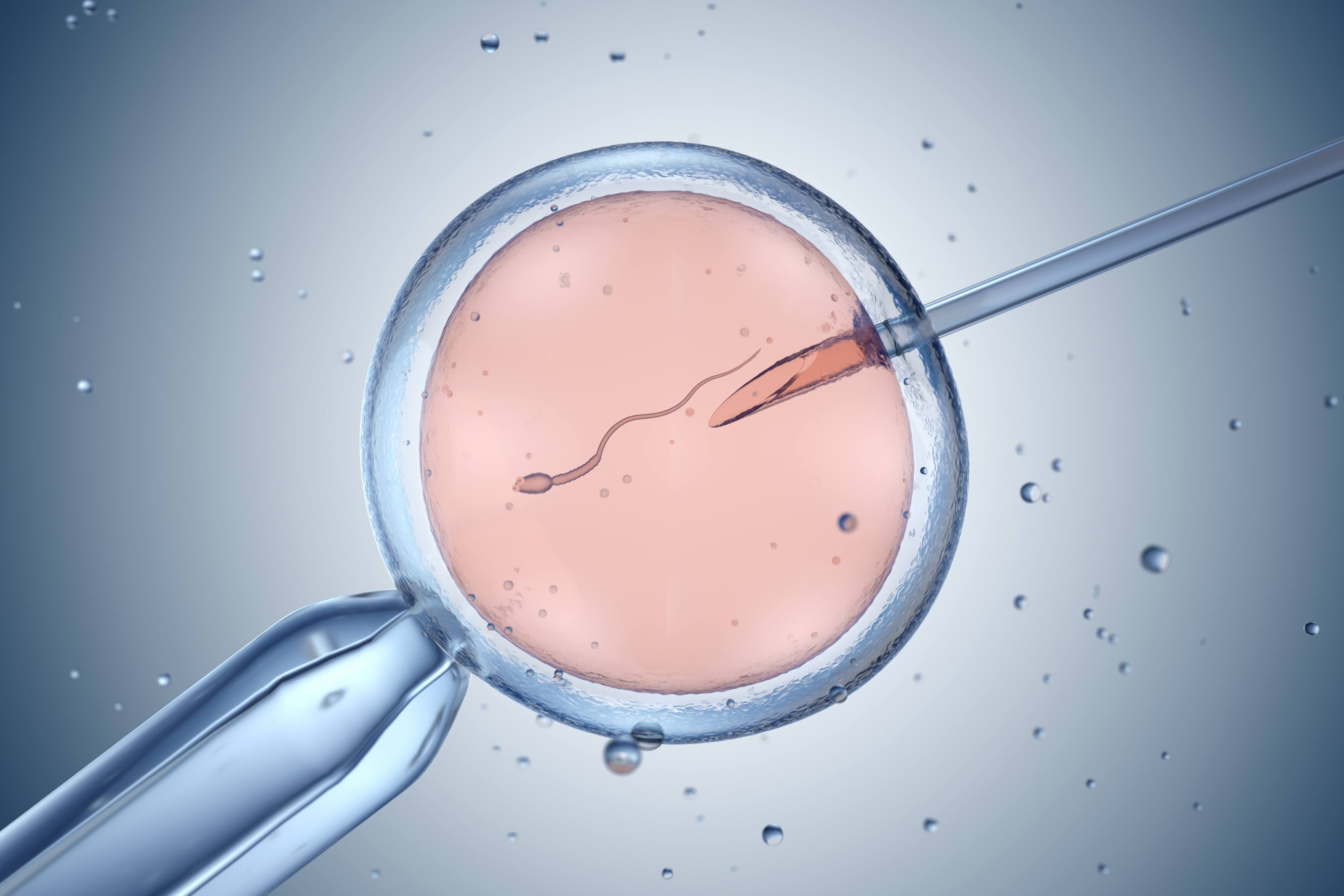
The Truth About Fertility and IVF: Why Timing Matters
When it comes to fertility, timing can be difficult to talk about. People have different goals, relationships, careers and reasons for waiting to have children. There is no single age when everyone should become a parent. At the same time, there is an important biological reality that should not be overlooked. Fertility changes with age, and IVF cannot completely remove the effects of reproductive ageing. This does not mean there is a sudden fertility “cliff” at 35. It means fertility gradually declines, with the change becoming more noticeable as women get older.