A cancer diagnosis can change everything in a very short time. There may be appointments to attend, tests to complete, and difficult treatment decisions to make. In the middle of all this, fertility may not always feel like the most urgent concern. But for people who hope to have children in the future, it is an important conversation to have before cancer treatment begins. Chemotherapy, radiation and some other cancer treatments can affect reproductive health. This is where fertility preservation, including IVF and egg or embryo freezing, may become an important part of planning for the future. When cancer treatment needs to start quickly, it is understandable that patients may worry about adding another appointment or procedure. However, fertility preservation is time-sensitive too. Once certain cancer treatments begin, there may be fewer options available to preserve reproductive potential. This is why fertility discussions should ideally happen as early as possible after a cancer diagnosis and before treatment starts, when medically appropriate. The goal is not to delay essential cancer care. Instead, the aim is to understand whether fertility preservation can safely fit into the treatment timeline. Having this conversation early also gives patients a chance to make an informed decision. Some may want to preserve eggs or embryos, while others may decide that it is not right for them. What matters is that the choice is offered before the opportunity may be reduced. When people hear IVF, they often think about couples who have been trying to conceive and need help becoming pregnant. But IVF can also have a role in fertility preservation. For women who want to preserve their fertility before cancer treatment, one option may involve ovarian stimulation. Medication is used to encourage the ovaries to produce several eggs rather than the single egg that normally develops during a menstrual cycle. These eggs can then be collected through a procedure. The eggs may be frozen for possible future use. If a patient has a partner or chooses to use donor sperm, another option may be to fertilise the eggs and freeze the resulting embryos. Later, depending on the patient’s circumstances and medical advice, these eggs or embryos may potentially be used for IVF. It is important to understand that fertility preservation does not guarantee a future pregnancy or birth. The outcome can depend on several factors, including age, the number and quality of eggs collected, the type of cancer treatment and the patient’s overall reproductive health. One concern patients may have is that fertility preservation will take too long because they need to wait until the next menstrual cycle before starting. According to the fertility specialist discussed in the reference, random-start ovarian stimulation can allow fertility preservation to begin at different points in the menstrual cycle. In some cases, ovarian stimulation may take around 10 to 14 days. This can make a meaningful difference for someone who is worried about delaying cancer treatment for weeks. The exact approach will depend on the individual patient, the cancer diagnosis, the planned treatment and the advice of both the oncology and fertility teams. For some cancers, additional medication may also be considered as part of the fertility preservation plan. These decisions need to be made by the specialists involved in the patient’s care rather than following a standard approach for everyone. Fertility preservation is not only a women’s issue. Cancer treatment can also affect male fertility, and men should be offered appropriate information about their options. For men who are planning to undergo cancer treatment, sperm banking is one established fertility preservation option. Sperm can often be collected and frozen within a short period, which may make it possible to complete preservation without causing a significant treatment delay. This is particularly important because discussions about cancer and fertility have sometimes focused more heavily on women. Men can also have concerns about future fatherhood, and those concerns deserve the same attention. Depending on the circumstances, frozen sperm may later be used with assisted reproductive techniques such as IUI or IVF. The most suitable option will depend on the quality of the stored sperm, the patient’s future circumstances and the fertility needs of their partner. Having fertility preservation options available is only helpful if patients can actually reach the right fertility team in time. The reference highlights a practical problem that can easily be overlooked. Fertility counselling may sit between oncology and reproductive medicine, leaving uncertainty about who is responsible for starting the conversation. When everyone assumes someone else will raise the subject, an important opportunity can be missed. A smoother system can make a real difference. Cancer centres and fertility clinics can work together so that patients have a clear route to fertility specialists. Some useful steps may include: These changes may seem small, but they can remove some of the confusion patients face at an already overwhelming time. A newly diagnosed cancer patient may receive a huge amount of medical information. Adding complicated fertility terminology can make an already difficult situation even harder to understand. Patients do not necessarily need to know every technical term immediately. They need clear answers to practical questions such as: Can my treatment affect my fertility? What options do I have? How much time would fertility preservation take? Will it delay my cancer treatment? How much will it cost? Who should I contact? Simple language can make these conversations more approachable. For example, instead of only talking about “sperm cryopreservation,” healthcare teams can explain that this means freezing sperm for possible future use. The same applies to IVF and egg freezing. Patients deserve an explanation of what the process involves, how long it may take and what its limitations are. Fertility preservation can also create financial concerns, especially when someone is already dealing with the costs and uncertainty associated with cancer treatment. The cost of IVF, egg freezing, embryo freezing or other fertility services can vary depending on where a patient lives, what is covered by insurance or public healthcare, and which services are needed. Because of this, patients should ideally receive information about likely costs as early as possible. This does not mean that a patient needs to make a financial decision immediately. Rather, knowing what support may be available can help them understand their options without making assumptions about affordability. Fertility clinics and oncology teams can work together to check coverage, explain likely out-of-pocket expenses and direct patients toward relevant financial assistance programmes where available. For someone facing cancer, fertility preservation may represent something beyond a medical procedure. It can be a way of keeping a future possibility open at a time when so much of life suddenly feels uncertain. Not every patient will want fertility preservation, and not everyone will be medically able to pursue it. Some may need to begin cancer treatment immediately, while others may decide that preserving fertility is not part of their plans. That is why the conversation should be about choice rather than pressure. Patients should have the opportunity to understand what cancer treatment may mean for their fertility and what options, if any, are available before making a decision. If future parenthood is important to you, it may help to ask about fertility as soon as possible after receiving a cancer diagnosis. Some questions to consider include: Writing these questions down can help when appointments feel overwhelming. It may also be useful to have a partner, family member or trusted person with you if you want extra support. Cancer treatment understandably becomes the immediate priority after a diagnosis. But for patients who hope to become parents one day, fertility should not be pushed aside simply because there are more urgent decisions to make. IVF, egg or embryo freezing and sperm banking may offer ways to preserve future family-building options for some patients. The most important step is often simply starting the conversation early enough to understand what is possible. Fertility preservation cannot promise that someone will have a child in the future. However, timely information can help patients make decisions with a clearer understanding of their choices. With better coordination between oncology and fertility teams, these conversations can become a routine part of cancer care rather than something patients have to discover on their own.Why Fertility Preservation Should Be Discussed Early
How IVF Can Be Part of Fertility Preservation
You May Not Need to Wait for a Particular Point in Your Cycle
What About Male Fertility?
The Biggest Challenge Can Be Getting a Referral Quickly
Making Fertility Information Easier to Understand
Cost Should Be Part of the Conversation
Fertility Preservation Is About More Than Treatment
What Patients Can Ask Before Starting Cancer Treatment
A Future Family May Still Be Part of the Conversation
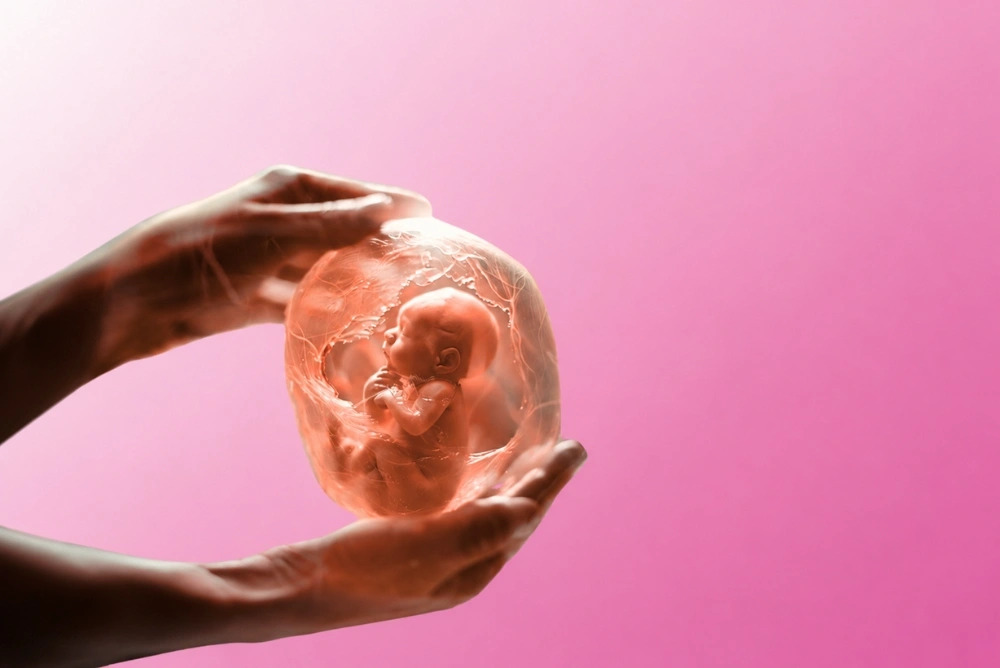
IVF Before Cancer Treatment: Why Fertility Preservation Matters
A cancer diagnosis can change everything in a very short time. There may be appointments to attend, tests to complete, and difficult treatment decisions to make. In the middle of all this, fertility may not always feel like the most urgent concern. But for people who hope to have children in the future, it is an important conversation to have before cancer treatment begins. Chemotherapy, radiation and some other cancer treatments can affect reproductive health. This is where fertility preservation, including IVF and egg or embryo freezing, may become an important part of planning for the future.