When a couple starts thinking about IVF, much of the attention naturally goes towards the woman’s health, tests, medications and egg quality. But fertility is not only a female concern. Male factors can also play an important role in a couple’s difficulty conceiving, which is why sperm health should not be overlooked during an IVF journey. At the same time, there are many misconceptions about male fertility. Some men worry that age automatically means infertility, while others believe semen volume tells them everything about their fertility. Understanding what is true and what is not can help couples make more informed decisions before treatment. It is often said that men can remain fertile throughout their lives without any major changes. While men do not experience the same reproductive changes as women, this does not mean male fertility stays exactly the same with age. As men get older, changes can occur in sperm quality. These may involve sperm movement, shape and DNA integrity. Hormonal changes, including a gradual decline in testosterone levels, can also occur. However, age alone does not mean that a man cannot father a child. Many men continue to have children later in life. This becomes relevant when a couple is considering IVF because sperm quality can influence fertilisation and embryo development. A man’s age is therefore one part of the overall fertility picture, rather than a simple measure of whether IVF will work. For this reason, it is better not to make assumptions based only on age. A semen analysis and, when needed, further medical evaluation can provide a clearer picture of sperm health. One of the easiest things for a man to notice is the amount of semen produced, so it is understandable that some may assume more semen means better fertility. However, semen volume and sperm quality are not the same thing. Semen is made up of fluids from several reproductive glands, while sperm cells are produced in the testicles. A man may have a normal amount of semen but still have a low sperm concentration or problems with sperm movement. Similarly, semen volume on its own cannot tell you whether conception is likely. A semen analysis looks at several important factors, including: This information can be particularly useful before IVF. Depending on the results, a fertility specialist may recommend conventional IVF or a technique such as ICSI, where a single sperm is injected directly into an egg. So, judging fertility by what semen looks like or how much is produced can be misleading. Testing gives a much more useful picture. Some men worry that ejaculating frequently will use up their sperm and permanently reduce their fertility. This is another common misunderstanding. Sperm is continuously produced by the body. Frequent ejaculation can temporarily affect the number of sperm in an individual semen sample, but it does not mean that a man’s sperm production has been permanently damaged. This is important for couples preparing for IVF because men may sometimes feel pressure to avoid ejaculation for a long period before providing a sperm sample. In reality, the recommended period of abstinence depends on the individual situation and the clinic’s instructions. Longer abstinence is not automatically better. In some situations, sperm quality may be affected by prolonged storage within the reproductive tract. Your fertility team can advise you on the appropriate timing before sperm collection based on the treatment plan. The same idea applies when trying to conceive naturally. What matters is having intercourse around the fertile window rather than believing that sperm must be “saved up” for a long time. The word infertility can sound frightening. Some men may hear it and immediately assume that they will never be able to have a biological child. But infertility does not necessarily mean permanent sterility. Male fertility problems can have many possible causes. These may include low sperm count, reduced motility, hormonal problems, infections, genetic factors, previous surgery and certain lifestyle or environmental exposures. Some conditions can be treated or managed, while others may require assisted reproductive treatment. This is where IVF can become an important option. Depending on the cause of infertility, treatment may involve: ICSI can be particularly useful in some cases of male factor infertility because it allows the embryologist to inject a selected sperm directly into an egg. However, it is not automatically needed for every couple undergoing IVF. The right treatment depends on the reason for infertility, so a proper fertility assessment is much more helpful than assuming that a diagnosis means there is no chance of having a child. There is sometimes a belief that sperm health is mostly determined by genetics and that everyday habits do not make much difference. This is not true. Sperm production can be influenced by several lifestyle and environmental factors. Smoking, excessive alcohol use, obesity, poor nutrition, lack of physical activity, chronic stress and inadequate sleep may all be relevant to male reproductive health. Exposure to excessive heat, recreational drugs and certain environmental toxins can also affect sperm. This does not mean that every unhealthy habit will cause infertility. Fertility is complex, and one lifestyle factor rarely explains everything. However, improving overall health can be a sensible part of preparing for IVF. Men preparing for fertility treatment can consider some basic habits, such as: One important point is often missed here. Testosterone treatment and anabolic steroids can suppress the body’s natural sperm production. Men using these substances should speak with a doctor rather than stopping or changing treatment on their own. IVF is often discussed mainly in terms of eggs, ovarian stimulation and embryo transfer. But sperm has an important role too. Fertilisation requires both an egg and sperm, and sperm quality can influence the chances of successful fertilisation and embryo development. This is why fertility clinics usually assess both partners rather than assuming the problem is on one side. A semen analysis is often one of the first steps in understanding male fertility. It is also worth remembering that a semen analysis is only a snapshot. Sperm parameters can vary between samples, and a result outside the usual range does not automatically mean a man cannot become a father. Your fertility specialist may recommend repeating the test or carrying out additional investigations if needed. For couples already planning IVF, identifying male factor issues early can help the medical team choose the most appropriate treatment approach. Men do not always have obvious symptoms when there is a fertility problem. Someone can feel completely healthy and still have a low sperm count or reduced sperm movement. This is one reason male fertility can be overlooked. A fertility assessment is generally worth considering when a couple has been trying to conceive without success. Earlier assessment may be appropriate when there are known risk factors, such as previous testicular surgery, certain infections, hormonal problems, a history of undescended testicles or the use of testosterone or anabolic steroids. There is also no need to wait until IVF is being discussed to look at male fertility. Testing both partners early can sometimes provide useful information and prevent months of uncertainty. Fertility treatment can already feel overwhelming without adding myths and assumptions to the process. Men may feel embarrassed about discussing sperm health, while women may feel that the responsibility for IVF rests mostly on them. Neither assumption is helpful. Male fertility deserves the same attention as female fertility. Age, sperm quality, health conditions and lifestyle can all be part of the picture, but none of them should be judged in isolation. If IVF becomes part of your journey, understanding the facts can help you approach treatment with more realistic expectations. A semen analysis, proper medical evaluation and an open conversation with your fertility specialist can provide much more useful information than trying to judge fertility based on myths. Male fertility is not simply about sperm count, semen volume or sexual performance. It is a much broader part of reproductive health, and there can be several reasons why sperm quality or fertility may be affected. For couples considering IVF, looking at both partners from the beginning can make the treatment journey more informed and less confusing. Not every fertility problem has a simple solution, but understanding what is actually happening is an important first step. Most importantly, a fertility concern should not automatically be seen as the end of the road. With proper evaluation, couples can understand their options and work with their fertility team to decide what comes next.Myth 1: Male fertility does not change with age
Myth 2: More semen means better fertility
Myth 3: Frequent ejaculation permanently reduces sperm
Myth 4: Infertility means a man can never father a child
Myth 5: Lifestyle does not really affect sperm health
Why sperm health matters during IVF
When should men consider a fertility check?
Breaking the myths can make IVF less stressful
Final thoughts
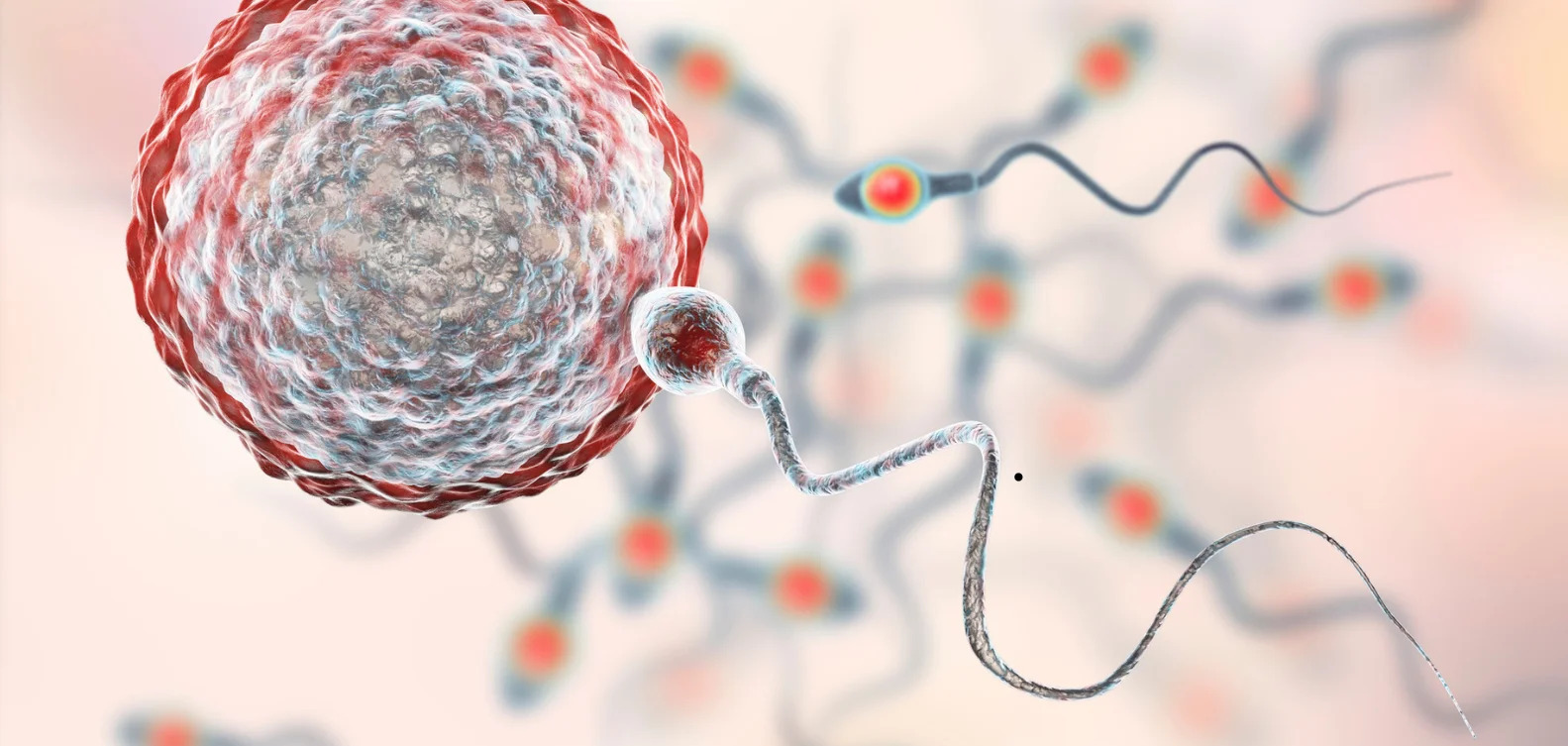
Male Fertility and IVF: 5 Common Sperm Health Myths, Busted
When a couple starts thinking about IVF, much of the attention naturally goes towards the woman’s health, tests, medications and egg quality. But fertility is not only a female concern. Male factors can also play an important role in a couple’s difficulty conceiving, which is why sperm health should not be overlooked during an IVF journey. At the same time, there are many misconceptions about male fertility. Some men worry that age automatically means infertility, while others believe semen volume tells them everything about their fertility. Understanding what is true and what is not can help couples make more informed decisions before treatment.