IVF has transformed fertility treatment over several decades. It has helped many people become parents. However, reproductive science continues to explore new possibilities. One promising area is stem cell research. Scientists are investigating whether ordinary body cells could become reproductive cells. This process is known as in vitro gametogenesis (IVG). It could eventually change how eggs and sperm are produced. For IVF, this may create new treatment options. Same-sex couples, cancer survivors and people with fertility challenges could benefit. However, the technology remains experimental. Important safety and ethical questions still need answers. Stem cells can develop into different types of specialised cells. Researchers are studying whether they can produce eggs and sperm. IVG aims to create reproductive cells from ordinary body cells. These could include skin cells taken from a person. Scientists would then attempt to develop them into functional eggs or sperm. If successful, these cells could potentially support fertilisation in a laboratory. The resulting embryo might then be considered for IVF treatment. This approach could reduce the need for conventional egg retrieval. However, producing healthy human reproductive cells remains a major challenge. Researchers must establish that the process is safe and reliable. One potential benefit of IVG is wider access to genetic parenthood. Same-sex couples could potentially have children genetically related to both partners. This may reduce the need for donor eggs or sperm. The technology could also create possibilities for some single people. Researchers are exploring whether cells from one person could produce both reproductive cell types. Cancer survivors and women experiencing menopause may also benefit in the future. These possibilities could change how fertility specialists approach treatment. However, they remain theoretical or experimental in humans. No established IVF treatment currently offers these options through IVG. Research into IVG has produced encouraging early results. Scientists have achieved live births using the technique in mice. Human embryos have also been created through experimental research. However, this does not mean the technology is ready for human reproduction. Researchers have identified important problems with chromosome development. Some experimental human embryos lacked certain chromosomes after fertilisation. Such abnormalities raise serious concerns about embryo health. Scientists must understand and address these problems before clinical use. Experts estimate that human clinical trials could still be years away. Wider availability would require further evidence and regulatory approval. IVG could eventually influence several stages of fertility treatment. Conventional IVF usually requires eggs to be collected from the ovaries. This process involves medication, monitoring and an invasive retrieval procedure. If viable eggs could be developed from other cells, some patients might avoid this process. Researchers are also exploring robotics, automation and artificial intelligence. These technologies could improve laboratory procedures and treatment efficiency. Genetic testing may also help identify certain inherited conditions. Together, these developments could create more personalised IVF pathways. However, each technology requires separate evidence of safety and effectiveness. Scientific progress does not automatically make a treatment suitable for patients. Advances in reproductive science also raise important ethical questions. Preimplantation genetic testing allows specialists to screen embryos for certain conditions. It may help couples understand the risk of passing on inherited diseases. However, broader genetic selection creates difficult questions. Some companies are exploring predictions involving physical and behavioural traits. Selecting embryos for preferred characteristics could encourage discrimination. It may also create concerns about eugenics and social inequality. Genetic predictions for complex traits remain scientifically limited. IVF patients need accurate information about what testing can achieve. Clear regulations and ethical guidance will be essential as technology develops. Safety must remain central to future fertility research. Scientists need to establish whether IVG-derived eggs and sperm function normally. They must also assess embryo development and long-term health. Early animal results cannot guarantee safe human outcomes. Research regulations differ between countries. These differences influence how quickly new techniques can progress. Commercial interest may also increase pressure to introduce treatments. However, patients should not be offered unproven procedures as established solutions. Independent research, transparent reporting and strong oversight are important. Fertility technologies must protect both prospective parents and future children. Stem cell research could reshape the future of IVF. IVG may eventually create reproductive options for more people. It could also reduce reliance on conventional donor pathways. However, significant scientific challenges remain. Researchers must resolve chromosome abnormalities and establish long-term safety. Ethical questions surrounding genetic selection also require careful discussion. For now, IVG remains an experimental area of research. Conventional IVF continues to rely on established reproductive techniques. Future advances may expand these options. Their success will depend on responsible research, reliable evidence and patient safety.Understanding the Role of Stem Cells in Future IVF Treatment
How IVG Could Expand Reproductive Options Through IVF
What Scientists Have Achieved So Far
How Stem Cell Research Could Change Conventional IVF
Genetic Testing, Embryo Selection and Ethical Concerns
Safety, Regulation and the Future of IVF
Conclusion
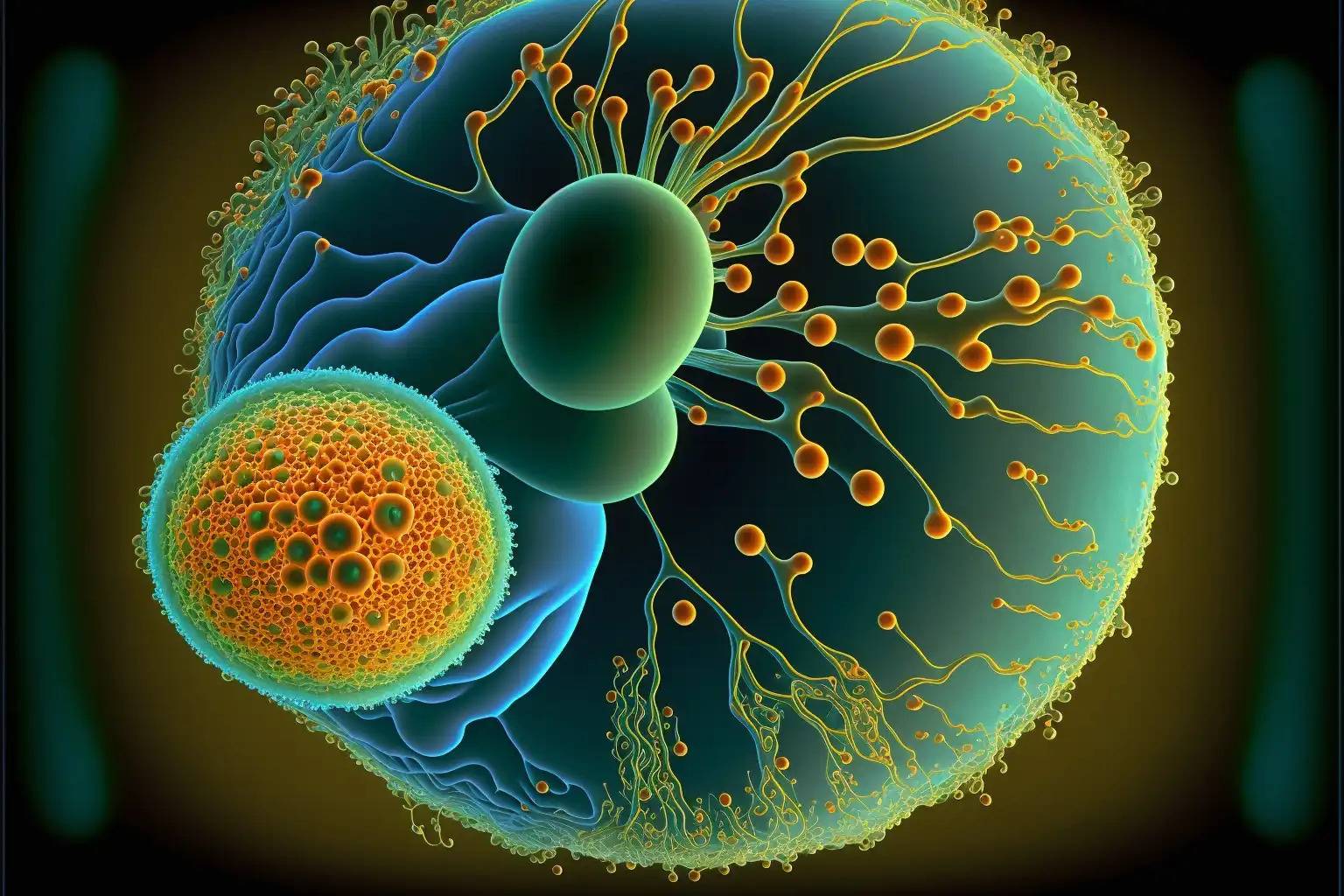
The Future of Fertility: Exploring How Stem Cell Research Could Transform IVF
IVF has transformed fertility treatment over several decades. It has helped many people become parents. However, reproductive science continues to explore new possibilities. One promising area is stem cell research. Scientists are investigating whether ordinary body cells could become reproductive cells. This process is known as in vitro gametogenesis (IVG). It could eventually change how eggs and sperm are produced. For IVF, this may create new treatment options. Same-sex couples, cancer survivors and people with fertility challenges could benefit. However, the technology remains experimental. Important safety and ethical questions still need answers.