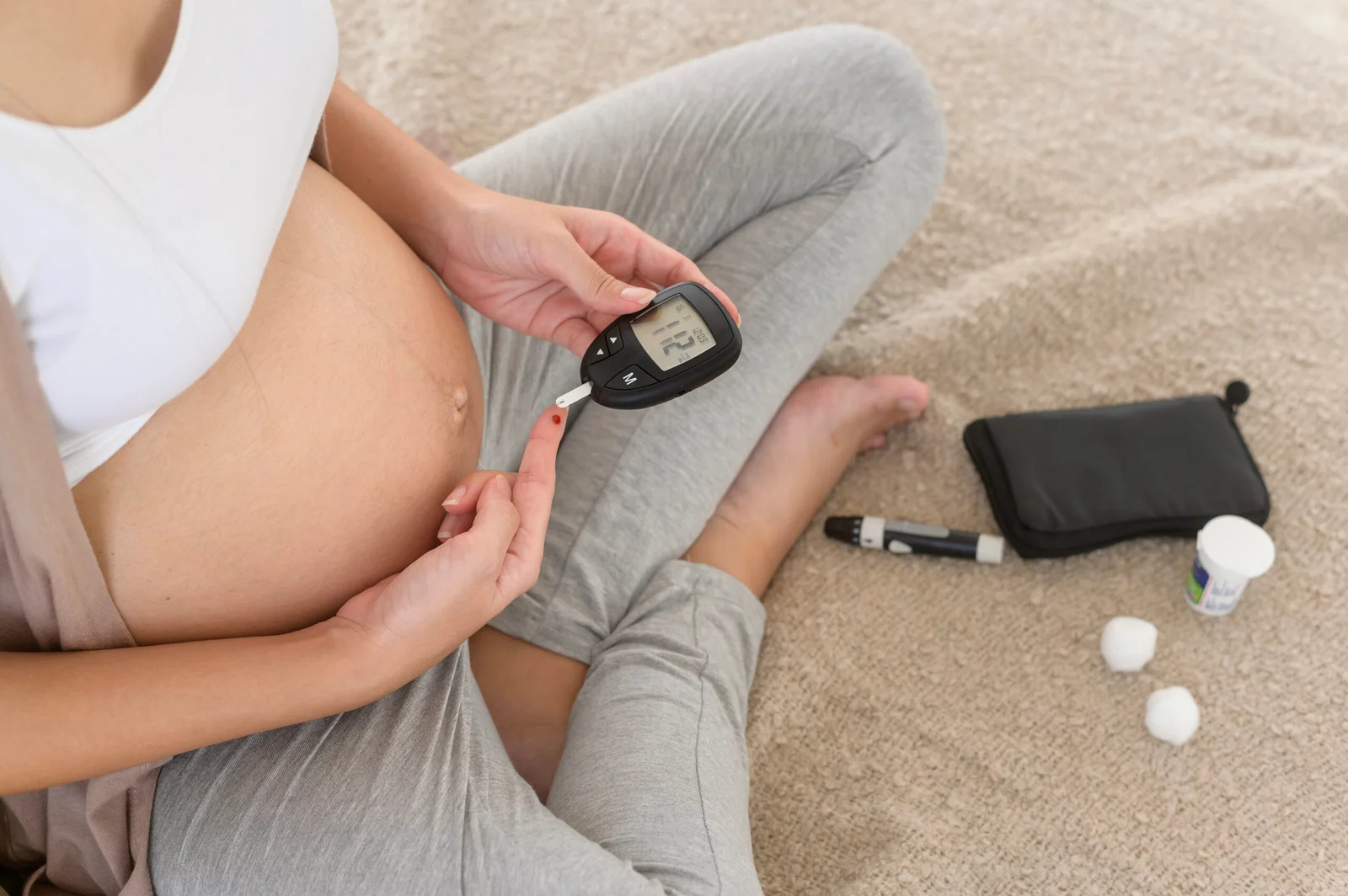
Preparing for IVF involves more than fertility tests and medical appointments. A woman’s overall health can influence reproductive wellbeing and pregnancy planning. Weight management and blood sugar control are two important areas to consider before starting treatment. Recent medical discussions have highlighted concerns about lifestyle-related fertility challenges. Poor dietary habits, irregular meals and limited physical activity may contribute to metabolic problems. Conditions such as obesity, insulin resistance and diabetes can also affect reproductive health. Understanding these factors can help women prepare for IVF more effectively. A preconception health assessment allows specialists to identify concerns and recommend suitable steps before treatment begins.
Why Preconception Health Matters Before IVF
Preconception health refers to a person’s physical and medical wellbeing before attempting pregnancy. It includes nutritional habits, weight, blood sugar levels, hormonal balance and existing health conditions. These factors can influence how the body responds to pregnancy and fertility treatment.
IVF involves several stages, including ovarian stimulation, egg retrieval, fertilisation and embryo transfer. Each stage requires careful medical assessment and monitoring. Existing metabolic or hormonal concerns may influence treatment planning. Therefore, fertility specialists often review a woman’s general health before recommending an IVF cycle.
Recent reporting on lifestyle-linked fertility concerns has highlighted the importance of identifying health problems before pregnancy. Some women may have underlying conditions without recognising their symptoms. Thyroid disorders, weight gain and poor blood sugar control can remain undiagnosed without appropriate testing. Early assessment helps identify these concerns and supports better-informed fertility decisions.
How Body Weight Can Influence IVF Success
Body weight can affect several reproductive processes, including hormone production and ovulation. Excess body fat may contribute to insulin resistance and hormonal imbalances. These changes can affect menstrual regularity and ovarian function. Women with obesity may also experience conditions such as polycystic ovary syndrome (PCOS), which can influence fertility.
During IVF, weight may influence the response to ovarian stimulation medication. Some women may require different medication doses or closer monitoring. Research has also explored associations between obesity and egg quality, embryo development and pregnancy outcomes. However, these effects vary between individuals and do not mean that IVF cannot succeed.
Recent medical reports have highlighted concerns about women entering pregnancy with significant weight-related health problems. Some patients have been found to weigh between 90 and 120 kilograms. Such figures highlight the importance of assessing individual health rather than focusing only on fertility treatment. A specialist can help determine whether weight management should form part of the preparation process.
Understanding the Connection Between Blood Sugar and Fertility
Blood sugar regulation is another important consideration before IVF. Glucose provides energy for the body’s cells, while insulin helps regulate its movement into those cells. When the body becomes less responsive to insulin, blood sugar levels may rise. This condition is known as insulin resistance.
Insulin resistance is commonly associated with PCOS and can contribute to irregular ovulation. It may also increase the risk of developing type 2 diabetes. For women planning IVF, these metabolic concerns deserve attention because they can affect overall reproductive and pregnancy health.
HbA1c is a blood test that measures average blood glucose levels over approximately three months. It helps identify diabetes and assess how well blood sugar is controlled. Some reported patients have recorded HbA1c levels above 10, indicating significantly raised average blood glucose. Poorly controlled diabetes can increase pregnancy risks and requires medical attention before conception.
Managing blood sugar before IVF can support safer pregnancy planning. Specialists may recommend additional tests, medication reviews and lifestyle changes. Women with diabetes should work with their healthcare team to establish appropriate glucose targets before treatment.
Can Obesity and Diabetes Affect IVF Treatment Outcomes?
Obesity and diabetes can influence fertility treatment in different ways. Excess weight may affect ovarian function, hormonal balance and the body’s response to fertility medication. Insulin resistance can also interfere with reproductive hormone regulation. These factors may create additional challenges during IVF preparation.
Poorly controlled diabetes is particularly important because pregnancy can increase the body’s metabolic demands. High blood glucose levels around conception and during early pregnancy can increase certain risks. These include pregnancy loss and complications affecting maternal and foetal health. Therefore, achieving appropriate blood sugar control before embryo transfer is an important consideration.
However, having obesity or diabetes does not automatically mean IVF will fail. Many women with these conditions achieve successful pregnancies with appropriate medical support. Treatment decisions should consider individual health, age, ovarian reserve and other fertility factors. Specialists may recommend improving metabolic health before beginning stimulation or proceeding with embryo transfer.
The Importance of Nutrition During IVF Preparation
Healthy eating habits can support weight management and blood sugar regulation. Women preparing for IVF should aim for balanced meals containing vegetables, fruits, whole grains and suitable protein sources. Fibre-rich foods can help support digestion and promote more stable blood glucose levels.
Irregular eating patterns may make healthy food choices more difficult. Long working hours and night shifts can also encourage frequent consumption of convenient, high-calorie snacks. Planning meals ahead can help reduce dependence on heavily processed foods. Carrying home-prepared meals and nutritious snacks can support more consistent eating habits.
Suitable snack choices may include nuts, makhana, fruit and other balanced options. However, individual nutritional requirements can differ, particularly for women managing diabetes or PCOS. A qualified dietitian can provide guidance based on medical history and treatment needs. Extreme dieting and sudden weight-loss programmes should be avoided during fertility treatment unless medically supervised.
Lifestyle Changes That Support Better IVF Preparation
Daily habits can influence metabolic health, hormonal balance and general wellbeing. Regular physical activity can support insulin sensitivity and help maintain a healthy weight. Walking, swimming and other moderate activities may be suitable options for many women. However, exercise recommendations should reflect individual fitness levels and medical conditions.
Sleep is another important part of preconception health. Consistent sleep patterns support the body’s natural hormonal and metabolic processes. Poor sleep may also affect appetite regulation and everyday energy levels. Establishing regular sleeping hours can help improve overall wellbeing before treatment.
Managing stress is equally important during IVF preparation. Fertility concerns, medical appointments and treatment expectations can create emotional pressure. Relaxation activities, gentle exercise and professional counselling may help women manage these demands. Lifestyle improvements should be gradual and realistic rather than creating additional stress.
Women working night shifts or extended hours may need additional planning. Regular meals, suitable snacks and consistent rest periods can help support healthier routines. Small changes maintained over time can be more practical than sudden lifestyle adjustments.
Health Checks to Consider Before Starting IVF
A preconception assessment helps identify medical concerns that could influence fertility treatment. Specialists may recommend blood tests to evaluate glucose levels, HbA1c and thyroid function. These investigations can identify conditions that require attention before pregnancy.
Ovarian reserve testing may also form part of the fertility assessment. Anti-Müllerian hormone (AMH) testing and antral follicle counts can provide information about ovarian reserve. These results help specialists understand potential responses to ovarian stimulation. However, they cannot independently predict whether IVF will result in pregnancy.
Women with existing diabetes, thyroid disorders or PCOS should discuss their medical history before starting treatment. Medication reviews may also be necessary to check whether existing prescriptions are suitable during pregnancy planning. Any changes should be guided by healthcare professionals.
A complete assessment allows specialists to develop an individual treatment plan. It can also help identify whether additional support is needed before ovarian stimulation or embryo transfer.
Conclusion
IVF preparation involves understanding both reproductive health and overall physical wellbeing. Weight management and blood sugar control can play important roles in pregnancy planning. Obesity, insulin resistance and poorly controlled diabetes may create additional fertility and pregnancy challenges. However, these conditions do not automatically prevent successful IVF treatment.
Early health assessments can identify concerns and guide appropriate medical support. Balanced nutrition, regular activity, sufficient sleep and suitable medical care can help improve general health. Women should avoid extreme weight-loss methods or changing prescribed medication without professional advice. A personalised approach allows fertility specialists to address individual needs and prepare patients for treatment. Prioritising preconception health can support a safer and more informed IVF journey.
Reference: https://www.deccanchronicle.com/southern-states/telangana/doctors-warn-of-lifestyle-linked-fertility-issues-2000912