Cycling is a popular way to stay active, improve fitness and spend time outdoors. But when a couple is preparing for IVF, everyday habits can suddenly feel much more important. This often leads men to wonder whether cycling could affect their sperm and whether they need to change their routine before treatment. The good news is that regular cycling is unlikely to cause fertility problems for most men. The concern is more relevant when cycling is very intense, involves long hours in the saddle or is combined with other factors that may affect sperm production. For men who already have a low or borderline sperm count, these small changes may matter more. Sperm production works best when the testes are kept slightly cooler than the body’s core temperature. This is one reason the testes are located outside the body. Long periods of cycling can increase the temperature around the scrotum because the body is in close contact with the bicycle saddle for extended periods. Intense exercise can also increase overall body temperature. Researchers have suggested that repeated heat exposure may interfere with sperm production in some men. However, this does not mean that every man who rides a bicycle will experience fertility problems. A recent review of research on endurance exercise found that some studies reported changes in semen quality among cyclists and triathletes, but the overall evidence was limited and inconsistent. Most changes were not considered severe enough to have a major clinical effect on fertility. This is why the amount and intensity of cycling matter. There is an important difference between riding a bicycle for exercise a few times a week and training for long-distance races. According to Prof Colin Duncan, a fertility expert at the University of Edinburgh, normal cycling is generally not a major concern for fertility. He suggests that the issue is more likely to become relevant with extreme cycling, particularly in men who already have a borderline sperm count. Research supports a similar cautious interpretation. A systematic review looking at endurance exercise found that endurance training could have some negative effects on semen quality, but these effects were rarely clinically significant. The researchers also noted that the evidence was limited and the studies were often small. So if you enjoy weekend cycling or use your bicycle for regular exercise, there is generally no reason to assume that you need to stop simply because you are preparing for IVF. Sperm health can be particularly important before IVF because the sperm sample is used directly during treatment.In conventional IVF, eggs and sperm are placed together in a laboratory so fertilisation can occur. When sperm quality or sperm numbers are significantly affected, the fertility team may recommend ICSI, or intracytoplasmic sperm injection. With ICSI, an embryologist injects a single sperm directly into an egg. This means IVF and ICSI can work with much smaller numbers of sperm than are needed for natural conception. However, that does not mean sperm quality is irrelevant. The sperm still needs to be capable of supporting fertilisation and embryo development. Fertility specialists may therefore look at sperm concentration, movement and morphology when assessing a man’s fertility. If a semen analysis shows abnormalities, the doctor may also ask about exercise, heat exposure, smoking, alcohol, medications and other lifestyle factors. One of the main theories surrounding cycling and male fertility is heat. Sperm production is sensitive to temperature. Long periods sitting on a bicycle saddle can increase heat around the testes, particularly when cycling is intense or prolonged. Tight cycling clothing and limited airflow may add to this effect. There are also other possible mechanisms. Researchers have suggested that prolonged cycling may place pressure on structures around the testes and pelvis, while very strenuous endurance exercise may influence hormones, energy balance and oxidative stress. But these mechanisms do not mean that a normal bike ride will damage sperm. Most of the research looking for noticeable effects has involved endurance athletes or relatively high levels of training. A systematic review found that some cycling studies reported changes in sperm morphology or motility, but the overall evidence did not show a major disruption of fertility in most men. This is where cycling may deserve more attention. A man with a healthy sperm count has a considerable number of sperm available for reproduction. A small change caused by exercise may therefore make little practical difference. For someone whose sperm count is already close to or below the normal range, however, even a modest change may be more relevant. This does not mean cycling caused the low sperm count. Male fertility can be affected by many factors, including varicocele, infections, hormonal problems, medications, smoking, alcohol, obesity, heat exposure and certain medical conditions. A semen analysis is the best way to understand whether there is an actual sperm problem rather than trying to judge fertility based on lifestyle alone. Men who cycle many hours each week, participate in competitive events or follow demanding endurance training may want to discuss their routine with a fertility specialist if they are preparing for IVF. A 2025 systematic review found that intensive training could worsen several semen parameters, although the researchers rated the certainty of the evidence as very low. Some studies found that semen parameters improved after a period of reduced training or rest. Another systematic review found that cycling-related changes in semen quality were generally limited and rarely had clear clinical consequences, but it also suggested that endurance exercise could be more important in men who already have low or low-normal sperm quality. This is an important distinction. The available evidence does not support telling every man to stop cycling before IVF. It suggests that extreme training may deserve individual attention. For most men, there is no clear reason to completely stop recreational cycling before IVF. Instead, it may be sensible to avoid excessive training and give your body enough time to recover. If you are cycling for several hours every day, training at a competitive level or experiencing significant discomfort or heat around the testicles, mention this to your fertility specialist. Your doctor may recommend changes based on your semen analysis and overall fertility history. It is also worth looking at the bigger picture. Smoking, heavy alcohol use, recreational drugs, overheating and some medical conditions may have a more important effect on sperm health than ordinary cycling. Prof Duncan specifically notes that fertility doctors consider lifestyle factors such as smoking, alcohol and excessive sauna use when evaluating abnormal sperm results. One reason lifestyle changes should be considered before IVF is that sperm are not produced overnight. Sperm development takes roughly 70 days. This means that changes made shortly before treatment may not immediately appear in a semen analysis. For men preparing for IVF, this is one reason doctors may discuss lifestyle several weeks or months before treatment rather than waiting until the day of sperm collection. If your fertility team identifies a sperm abnormality, they may recommend repeating the semen analysis or making specific lifestyle changes before deciding whether further treatment is needed. If you enjoy cycling and are preparing for IVF, you do not necessarily need to give up the activity you enjoy. Instead, focus on maintaining a balanced routine. Some practical steps include: Your fertility team may also give you specific instructions about abstinence before sperm collection. These instructions can differ depending on whether the sample is being collected for diagnostic semen analysis or for IVF treatment. It is easy to focus on one habit when preparing for IVF. But sperm quality is influenced by many factors, and cycling is only one possible piece of the picture. A man who cycles regularly but does not smoke, rarely drinks heavily, sleeps well and has a healthy semen analysis may have little reason to worry about his bicycle routine. On the other hand, someone with an abnormal semen analysis and several potential lifestyle or medical risk factors may need a more detailed evaluation.That is why fertility treatment should be personalised. The goal is not to remove every normal activity from daily life. It is to identify factors that may actually matter for an individual patient. Cycling and IVF are not automatically a bad combination. For most men, regular recreational cycling is unlikely to have a meaningful effect on fertility. The concern is more relevant with prolonged or extreme cycling, particularly when sperm counts are already low or borderline. The available research is not strong enough to say that cycling directly causes infertility. Studies have found inconsistent effects on semen quality, and many of the reported changes have not been clinically significant. If you are preparing for IVF, the most useful approach is to look at your overall sperm health rather than focusing on one activity. A semen analysis and conversation with your fertility specialist can help determine whether your cycling routine needs any adjustment. For most men, staying active is still part of a healthy lifestyle. The goal before IVF is not to stop living normally. It is to give your body the best possible conditions for healthy sperm production while following the treatment plan recommended by your fertility team. Ref: https://www.theguardian.com/lifeandstyle/2026/sep/21/is-it-true-that-cycling-affects-fertility Can Cycling Affect Sperm Quality?
Recreational Cycling Is Usually Different From Extreme Training
Why Does This Matter Before IVF?
Could Heat From the Saddle Be the Problem?
What If Your Sperm Count Is Already Low?
What About Men Doing High-Intensity Cycling?
Should You Stop Cycling Before IVF?
Remember That Sperm Production Takes Time
What Can Men Do Before IVF?
Cycling Is Only One Part of Sperm Health
Final Thoughts
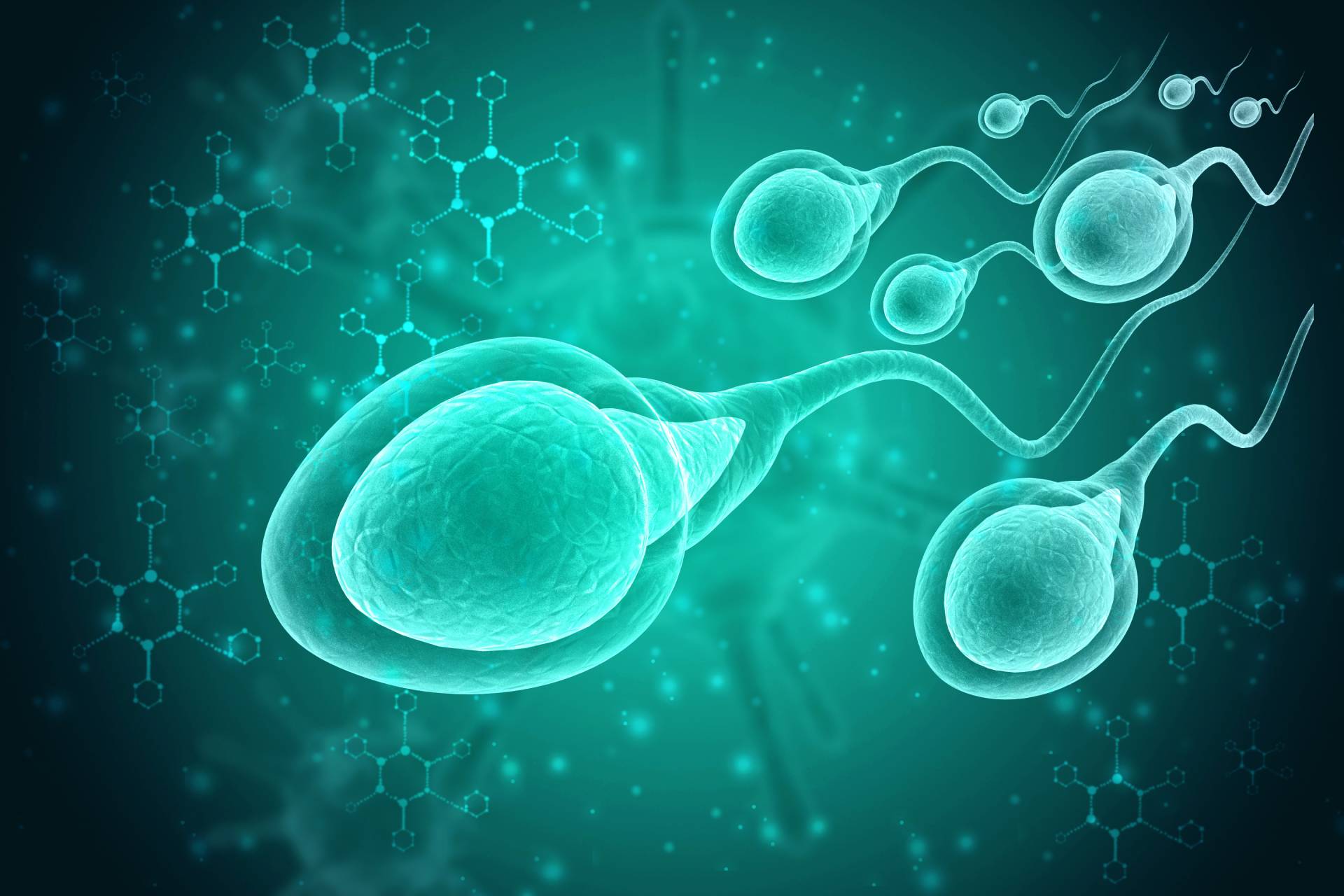
Cycling and IVF: Could It Affect Sperm Quality Before Treatment?
Cycling is a popular way to stay active, improve fitness and spend time outdoors. But when a couple is preparing for IVF, everyday habits can suddenly feel much more important. This often leads men to wonder whether cycling could affect their sperm and whether they need to change their routine before treatment. The good news is that regular cycling is unlikely to cause fertility problems for most men. The concern is more relevant when cycling is very intense, involves long hours in the saddle or is combined with other factors that may affect sperm production. For men who already have a low or borderline sperm count, these small changes may matter more.