When couples prepare for IVF, much of the attention naturally goes toward ovarian stimulation, egg retrieval, embryo development and transfer. But sperm health is also an important part of the treatment process. The sperm selected for fertilisation can influence the chances of successful fertilisation and embryo development, which is why preparing the male partner is just as important as preparing the female partner. This has become particularly relevant as wellness trends encourage men to experiment with saunas, cold plunges and other routines claimed to improve testosterone or fertility. Some of these practices may support general wellbeing, but that does not necessarily mean they improve sperm quality. In fact, repeated exposure to high temperatures may work against healthy sperm production. For couples preparing for IVF, understanding the difference between a popular fertility claim and evidence-based advice can help them make better decisions. The testes are located outside the body because sperm production works best at a temperature slightly below core body temperature. This makes prolonged or repeated heat exposure an important consideration for men who are preparing for fertility treatment. Heat does not automatically cause infertility, and occasional exposure is unlikely to determine the outcome of an IVF cycle. The concern is more about repeated exposure and its potential effect on sperm production over time. Research has linked exposure to high temperatures with changes in semen quality, including sperm concentration, total sperm count and motility. A large 2024 study involving more than 15,000 men and over 28,000 semen samples found associations between extreme temperature exposure and poorer semen parameters. While outdoor heat is not the same as sitting in a sauna, the findings add to evidence that temperature can influence the environment in which sperm develop. For someone preparing for IVF, this does not mean every sauna session needs to become a source of anxiety. Instead, it is worth discussing frequent or prolonged heat exposure with a fertility specialist, particularly if previous semen testing has shown concerns with sperm count or motility. Saunas are often promoted online as a way to improve circulation, relaxation, testosterone levels and overall health. Those benefits can make sauna use attractive, especially for men trying to improve their health before IVF. However, improved general wellbeing should not automatically be interpreted as improved fertility. One small longitudinal study involving healthy men examined the effects of regular Finnish sauna exposure. Participants used a sauna twice a week for three months, with each session lasting around 15 minutes at high temperatures. Researchers observed reductions in sperm count and motility, along with changes in some aspects of sperm function. Importantly, the changes were not permanent. The semen changes had reversed several months after sauna exposure stopped. This finding is particularly relevant for IVF because sperm production is continuous, but it also takes time. Sperm develop over several weeks, meaning a lifestyle change made shortly before treatment may not immediately change the sperm sample used for fertilisation. If a man regularly uses very hot saunas, hot tubs or similar facilities, reducing exposure well before providing a semen sample may be worth discussing with the fertility team. Saunas are not the only source of heat that may matter. Hot tubs, prolonged hot baths and repeated heat exposure during work or exercise can also increase the temperature around the testes. The effect will depend on the intensity and duration of exposure, as well as individual factors, so it would be inaccurate to suggest that every form of heat exposure causes infertility. Research involving couples trying to conceive has produced a more nuanced picture. Hot baths and hot tubs alone were not clearly associated with lower pregnancy rates in one study, while men exposed to several sources of heat had moderately lower chances of conception. This highlights an important point: fertility is influenced by patterns of behaviour rather than necessarily by one isolated activity. For men preparing for IVF, it may therefore be more useful to look at the bigger picture. Frequent sauna sessions combined with hot tubs, long periods of sitting, poor sleep, smoking, alcohol use or other factors may create a less favourable environment for sperm health. A fertility specialist can help identify which factors are actually relevant to an individual’s semen results. If heat can negatively affect sperm, it might seem logical that cold exposure should have the opposite effect. This assumption has helped fuel the popularity of cold plunges and ice baths among men interested in fertility optimisation. However, current evidence does not show that whole-body cold-water immersion improves sperm quality, testosterone levels or IVF outcomes. Cold-water immersion has been studied for other purposes, particularly exercise recovery, muscle soreness, stress and aspects of wellbeing. Some research suggests that cold exposure may have benefits in these areas, although studies have often been small or inconsistent. There is currently not enough evidence to recommend cold plunges as a fertility treatment or as a way of improving sperm before IVF. This distinction is important. Something can be useful for general health without being proven to improve reproductive outcomes. A cold plunge might make someone feel refreshed after exercise, but there is no established reason to assume that this translates into healthier sperm or a better chance of creating a viable embryo. Some men have taken the idea of temperature control a step further by using ice or targeted cooling after heat exposure. The theory is simple: if heat can harm sperm, perhaps cold can reverse the effect. At present, there is no good evidence that placing ice on the testicles after sauna use can undo changes caused by heat exposure. Targeted scrotal cooling has been investigated in the context of male infertility, but that is very different from using an ice pack or taking a cold plunge after a sauna. Clinical research into specific cooling approaches should not be confused with social media recommendations for home fertility hacks. For men undergoing IVF, the safer approach is not to try to counterbalance excessive heat with extreme cold. Instead, limiting unnecessary prolonged heat exposure and maintaining overall healthy habits is a more sensible strategy. Another important misconception comes from the way fertility advice is discussed online. Many wellness trends focus heavily on testosterone, suggesting that increasing testosterone will automatically improve male fertility. In reality, testosterone and sperm production are closely connected but not interchangeable. The testes require high concentrations of testosterone for normal sperm production, but increasing testosterone in the bloodstream through testosterone replacement therapy can actually suppress the body’s natural reproductive hormone signals. As a result, sperm production can decrease significantly. Men preparing for IVF should therefore avoid starting testosterone treatment or fertility supplements based solely on social media advice. If low testosterone or another hormonal concern is suspected, it should be evaluated by a qualified doctor who understands the patient’s fertility goals. Rather than focusing on a single fertility hack, men preparing for IVF can concentrate on habits that support overall reproductive health. This includes maintaining a healthy weight, exercising regularly without excessive overtraining, getting enough sleep, managing stress, avoiding smoking and recreational drugs, limiting alcohol and eating a balanced diet. Temperature exposure can also be considered. If sauna or hot-tub use is frequent, reducing prolonged exposure may be sensible, particularly in the months leading up to fertility treatment. Avoiding unnecessary heat around the testes is a relatively simple precaution and does not require replacing it with extreme cold exposure. It is also important to remember that sperm health does not change overnight. Sperm development takes roughly two to three months, so lifestyle improvements may need time before their effects can be reflected in a semen analysis. This is one reason fertility preparation should ideally begin before the IVF cycle itself rather than only once treatment has started. For couples preparing for IVF, testing is far more useful than trying to guess sperm quality based on lifestyle trends. A semen analysis can provide information about sperm concentration, movement and morphology. Depending on the couple’s history and previous treatment outcomes, a fertility specialist may recommend additional investigations. If sperm quality is a concern, the IVF team can consider appropriate treatment options. In some cases, intracytoplasmic sperm injection, or ICSI, may be used to inject a selected sperm directly into an egg. Other approaches may be considered depending on the cause of male infertility. The important point is that treatment should be based on the individual’s medical situation rather than internet trends. Sauna avoidance, cold plunges, supplements or other lifestyle changes should complement medical care, not replace proper fertility assessment. Preparing for IVF is about more than following a perfect routine. For men, sperm health can be influenced by everyday habits, including sleep, exercise, nutrition, alcohol, smoking, stress and repeated heat exposure. While saunas may offer relaxation and cold plunges may support exercise recovery, neither should currently be viewed as a proven way to improve sperm quality or IVF success. If you are preparing for IVF, moderation and evidence-based care are more valuable than extreme fertility hacks. A semen analysis, early medical assessment and consistent healthy habits can give your fertility team a clearer picture of what may actually help. Most importantly, couples should remember that IVF success depends on many factors, and no single lifestyle habit can guarantee an outcome.Why Heat Matters for Sperm Production
Could Regular Sauna Use Affect IVF Preparation?
What About Hot Tubs and Other Heat Exposure?
Can Ice Baths Improve Sperm Quality?
Does Cooling the Testicles After a Sauna Help?
Testosterone and Sperm Health Are Not the Same Thing
What Men Can Do Before an IVF Cycle
A Semen Analysis Can Tell You More Than a Wellness Trend
Final Thoughts
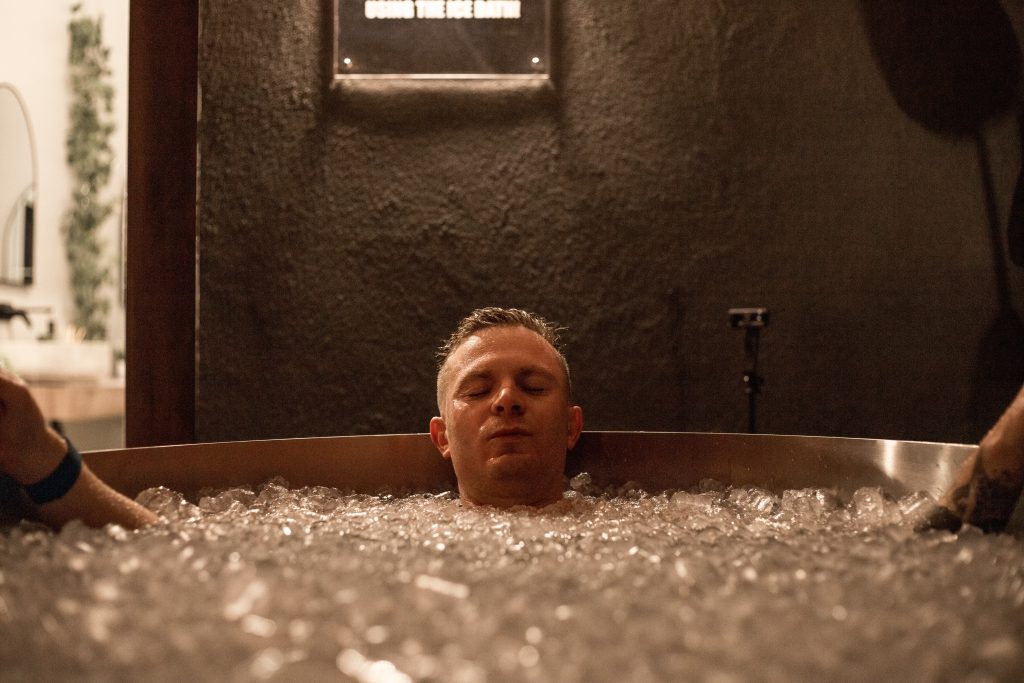
Preparing for IVF: Could Saunas and Ice Baths Affect Sperm Quality?
When couples prepare for IVF, much of the attention naturally goes toward ovarian stimulation, egg retrieval, embryo development and transfer. But sperm health is also an important part of the treatment process. The sperm selected for fertilisation can influence the chances of successful fertilisation and embryo development, which is why preparing the male partner is just as important as preparing the female partner. This has become particularly relevant as wellness trends encourage men to experiment with saunas, cold plunges and other routines claimed to improve testosterone or fertility. Some of these practices may support general wellbeing, but that does not necessarily mean they improve sperm quality.