For many women, fertility planning no longer follows one predictable timeline. Career goals, relationships, financial priorities, health concerns and simply not feeling ready for parenthood can all influence when someone wants to have a child. Egg freezing has become one option for women who want to preserve some reproductive possibilities for the future. It is important, though, to understand what egg freezing can and cannot do. Freezing eggs does not guarantee a future pregnancy. Instead, it preserves eggs at the age they were collected, which may give women more flexibility when they are ready to consider pregnancy later. Egg freezing, medically known as oocyte cryopreservation, involves collecting mature eggs from the ovaries and preserving them at very low temperatures for possible future use. The process is closely related to the first part of an IVF cycle. Hormonal medications are used to stimulate the ovaries so that multiple eggs can mature. The eggs are then collected during a short procedure and rapidly frozen using a technique called vitrification. The major difference is what happens after retrieval. In a conventional IVF cycle, the collected eggs are fertilised with sperm to create embryos. With egg freezing, the unfertilised eggs are stored instead. When a woman later decides to try for pregnancy, the eggs can be thawed, fertilised with sperm and developed into embryos in the laboratory. An embryo may then be transferred into the uterus. Age is one of the biggest factors affecting female fertility. Women are born with their lifetime supply of eggs, and both the number and quality of those eggs generally decline with age. This does not mean that pregnancy becomes impossible at a particular age. It means that the likelihood of conception and having a healthy pregnancy can change over time. For some women, egg freezing offers a way to preserve younger eggs before fertility declines further. It may be considered by someone who does not currently want children, has not found the right partner, wants to delay parenthood for personal reasons or needs to undergo medical treatment that could affect ovarian function. Egg freezing may also be considered for medical fertility preservation, including before certain cancer treatments. However, choosing to freeze eggs is a deeply personal decision. It should be based on an individual fertility assessment rather than pressure from social expectations, work or the idea that freezing eggs guarantees future motherhood. One of the most important things to understand about egg freezing is that the age at which eggs are frozen matters. Younger eggs generally have a better chance of producing viable embryos than eggs collected later in reproductive life. This is because egg quality tends to decline with age, particularly as women move through their late 30s and into their 40s. That does not mean there is one perfect age for every woman to freeze her eggs. A woman in her 20s may have different priorities from someone in her early or mid-30s. A fertility specialist can consider factors such as age, ovarian reserve, medical history and reproductive plans before discussing whether egg freezing is appropriate. Tests such as anti-Müllerian hormone testing and antral follicle count can provide information about ovarian reserve and help doctors estimate how the ovaries may respond to stimulation. They cannot, however, predict exactly how many eggs will eventually result in a baby. The process generally involves several stages and is similar to the egg-retrieval portion of IVF. First, a fertility specialist evaluates ovarian reserve and overall reproductive health. Hormone tests and ultrasound may be used to create an individual treatment plan. Next comes ovarian stimulation. Injectable fertility medications encourage multiple follicles to develop during one menstrual cycle instead of allowing only one dominant follicle to mature. The ovaries are monitored through ultrasound scans and sometimes blood tests. Once the eggs are considered ready, a trigger medication is given to prepare them for retrieval. Egg retrieval is then performed using an ultrasound-guided procedure. The eggs are collected from the ovaries and assessed by the embryology team. Mature eggs are rapidly frozen using vitrification. This method has become an important part of modern fertility preservation because rapid cooling reduces the formation of damaging ice crystals. The frozen eggs can remain in storage until the woman decides whether and when she wants to use them. The two treatments are closely connected, but they are not identical. Egg freezing: Eggs are collected and stored unfertilised for possible future use. IVF: Eggs are collected and fertilised with sperm to create embryos, which can then be transferred to the uterus or frozen for later use. When frozen eggs are eventually used, the process becomes an IVF-based treatment. The eggs are thawed and fertilised in the laboratory. Depending on the circumstances, ICSI may be used, where a single sperm is injected directly into an egg. The resulting embryos are monitored as they develop. A suitable embryo can then be transferred to the uterus. This means egg freezing is better viewed as a fertility preservation step rather than a guarantee of future IVF success. There is no universal number of eggs that guarantees a baby. The number of eggs a woman can freeze depends on her age, ovarian reserve and response to stimulation. Some women may produce a larger number of mature eggs during one cycle, while others may need more than one retrieval. More eggs can provide more opportunities in the future, but quantity is not the only consideration. Egg quality also matters, and quality is strongly associated with age. This is why fertility specialists usually avoid promising a particular outcome based simply on the number of eggs collected. A consultation should focus on realistic expectations rather than a single target number. Egg freezing is generally considered a well-established fertility preservation option, but it is still a medical procedure. Hormonal stimulation can cause temporary symptoms such as bloating, abdominal discomfort, breast tenderness, headaches or mood changes. Egg retrieval may also cause temporary cramping or discomfort. More serious complications are uncommon but can include ovarian hyperstimulation syndrome, bleeding, infection or complications associated with sedation or anaesthesia. A fertility specialist should explain the potential risks before treatment begins. It is also worth remembering that the emotional side of egg freezing can be significant. Some women may feel relief after preserving their eggs, while others may experience anxiety about whether they will eventually need them or whether they will work. Both reactions are normal. When a woman decides she wants to try for pregnancy using her frozen eggs, the eggs are thawed in the laboratory. The surviving eggs are then fertilised with sperm. In many cases, ICSI may be used because the egg has already undergone the freezing and thawing process and the laboratory team wants to maximise the chance of fertilisation. The resulting embryos are cultured for several days. If an embryo develops appropriately, it may be selected for transfer. The woman may undergo preparation of the uterine lining before the embryo transfer. A pregnancy test is then performed after the appropriate interval. Not every frozen egg will survive thawing, fertilise or develop into an embryo. Not every embryo will result in pregnancy. Understanding these steps can help women have a more realistic picture of what fertility preservation actually offers. Egg freezing can also involve a significant financial commitment. The initial treatment may include consultations, fertility medications, monitoring, egg retrieval and laboratory freezing. There may also be ongoing storage fees. Later, when the eggs are used, there will usually be additional costs for thawing, fertilisation, embryo culture and embryo transfer. Insurance coverage also varies significantly depending on where a woman lives and why she is freezing her eggs. Medical fertility preservation may sometimes be treated differently from elective or social egg freezing. Before starting treatment, ask the clinic for a complete breakdown of costs. Understanding the full financial picture can prevent unexpected expenses later. Egg freezing can provide flexibility, but it should not be seen as a reason to postpone pregnancy indefinitely. The technology gives women an additional option. It does not stop reproductive ageing altogether. Even if younger eggs have been frozen, pregnancy later in life can involve other considerations, including the health of the uterus and the woman’s overall medical condition. That is why fertility preservation should be part of a broader reproductive health conversation. Egg freezing has changed the way some women can approach fertility planning. Instead of viewing reproductive choices as an immediate race against time, women may have an opportunity to preserve some younger eggs for possible future use. But it is important to keep expectations realistic. Egg freezing does not guarantee a baby, and the number and quality of eggs, age at freezing, laboratory techniques and future health all influence the eventual outcome. For some women, freezing eggs may provide reassurance and flexibility. For others, it may not be necessary or may not fit their circumstances. The best decision is an informed one. Talk to a qualified fertility specialist, understand your ovarian reserve, ask about realistic success rates and consider the medical, emotional and financial sides before moving forward. Fertility preservation is ultimately about creating options for the future, not making promises about it.What Is Egg Freezing?
Why Are More Women Considering Fertility Preservation?
Age Matters When Freezing Eggs
What Happens During Egg Freezing?
Egg Freezing Is Not the Same as IVF
How Many Eggs Should Be Frozen?
What Are the Risks and Side Effects?
What Happens When You Want to Use Frozen Eggs?
The Financial Side of Fertility Preservation
Preserving Fertility Does Not Mean Delaying Everything
Final Thoughts
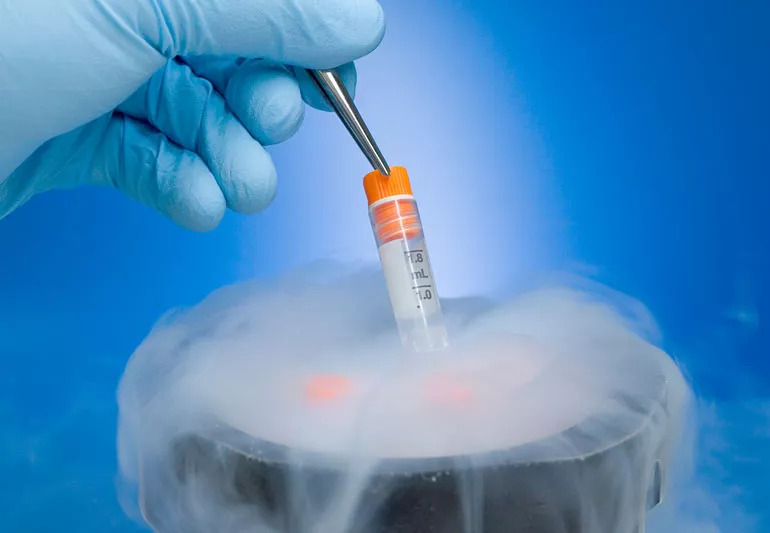
Egg Freezing and IVF: What Women Should Know About Preserving Fertility
For many women, fertility planning no longer follows one predictable timeline. Career goals, relationships, financial priorities, health concerns and simply not feeling ready for parenthood can all influence when someone wants to have a child. Egg freezing has become one option for women who want to preserve some reproductive possibilities for the future.