Sleep plays an important role in overall health, hormonal balance and reproductive wellbeing. For people undergoing in vitro fertilisation (IVF), sleep quality may also be worth considering during treatment. IVF involves several stages, including ovarian stimulation, egg retrieval, fertilisation and embryo transfer. Each stage depends on carefully coordinated biological processes. Research suggests that sleep patterns and circadian rhythms may be associated with reproductive hormones and certain IVF outcomes. However, poor sleep does not automatically mean that fertility treatment will fail. Understanding these potential connections can help patients make informed lifestyle choices. It can also support useful discussions with fertility specialists throughout treatment. IVF is a fertility treatment that helps eggs and sperm combine outside the body. The resulting embryos may then be transferred into the uterus. Hormones play an essential role throughout this process, particularly during ovarian stimulation and egg development. Sleep influences several hormonal and metabolic processes, which has encouraged researchers to investigate its possible relationship with fertility treatment. The body’s internal clock, known as the circadian rhythm, regulates sleep and waking patterns. It also helps coordinate various biological functions throughout the day and night. Consistently irregular sleep may influence these processes, although the effects can differ between individuals. For IVF patients, researchers are examining whether sleep timing, duration and quality are associated with the number of eggs retrieved, egg maturity and other treatment outcomes. These relationships remain an active area of investigation. Ovulation depends on communication between the hypothalamus, pituitary gland and ovaries. These structures work together to regulate hormones involved in follicle development and egg release. When sleep becomes consistently irregular or insufficient, some hormonal processes may be affected. Researchers are exploring whether these changes influence reproductive health and fertility outcomes. The hypothalamic-pituitary-adrenal (HPA) axis also plays a role in the body’s response to stress. Sleep disruption can influence stress-related processes, potentially interacting with reproductive hormone regulation. However, the relationship is complex, and the effects are not identical for everyone. During IVF, fertility medicines are used to stimulate follicle development and manage treatment timing. Therefore, natural hormonal fluctuations do not necessarily predict how a patient will respond to ovarian stimulation. Melatonin is another hormone receiving attention in fertility research. It helps regulate the sleep-wake cycle and has antioxidant properties. Antioxidants help protect cells against oxidative stress, which researchers have also investigated in relation to ovarian function and egg quality. Nevertheless, more evidence is needed to establish whether improving sleep or changing melatonin levels directly improves IVF success. A 2025 study published in Chronobiology International explored the relationship between chronotype and sporadic anovulation. Chronotype describes a person’s natural tendency to sleep and wake earlier or later. Anovulation occurs when an ovary does not release an egg during a menstrual cycle. The research examined women who reported regular menstrual cycles, highlighting that regular periods do not always guarantee ovulation in every cycle. The findings suggested that a later chronotype was associated with a higher relative risk of sporadic anovulation. Each one-hour increase towards a later chronotype was associated with a five per cent higher relative risk. Women in the third chronotype group also had a 33 per cent higher relative risk than those in the second group. Interestingly, sleep duration itself was not associated with anovulation in this study. This suggests that sleep timing and circadian patterns may deserve further investigation. However, the findings do not prove that staying up late causes ovulation problems. They also do not establish that a later chronotype reduces IVF success. IVF treatment involves additional medical procedures that require separate research. Research has also examined sleep quality among women undergoing IVF or intracytoplasmic sperm injection (ICSI). ICSI is a procedure in which a single sperm is injected directly into an egg. Both treatments involve ovarian stimulation and egg retrieval, making egg development an important part of treatment assessment. A 2025 prospective cohort study involving 174 women undergoing IVF/ICSI reported associations between poor sleep quality and egg retrieval outcomes. After adjustments for relevant factors, women with poor sleep quality had 22.89 per cent fewer retrieved oocytes. They also had 22.01 per cent fewer mature oocytes. Oocytes are eggs collected during fertility treatment. Mature oocytes are eggs that have reached the developmental stage required for fertilisation. Their numbers can influence the opportunities available for fertilisation and embryo development. However, the number of eggs retrieved varies considerably between patients. Age, ovarian reserve, underlying conditions and responses to fertility medication can all contribute to these differences. The study’s findings are important but require careful interpretation. An observational study can identify associations without proving cause and effect. Poor sleep might contribute to certain outcomes, or other factors might influence both sleep and fertility. Larger studies are needed to understand these relationships and determine whether sleep interventions can improve IVF results. Improving sleep can support general wellbeing, but it cannot guarantee successful fertility treatment. IVF outcomes depend on several interacting factors. These include reproductive age, egg and sperm quality, embryo development, uterine health and the underlying causes of infertility. Previous treatment history and individual responses to medication may also affect the chances of success. Sleep is therefore best viewed as one part of a broader approach to reproductive health. Patients should avoid assuming that occasional sleepless nights will damage their treatment prospects. Equally, persistent insomnia or disrupted sleep deserves attention because it can affect concentration, mood and daily functioning. Fertility specialists can help patients understand their individual circumstances and treatment expectations. They can also review medicines, existing health conditions and other factors that might affect sleep. Any concerns about treatment outcomes should be discussed directly with the clinical team rather than judged through sleep patterns alone. Maintaining consistent sleep habits may help patients manage the demands of IVF. Going to bed and waking up at similar times can support the body’s internal clock. A calm evening routine may also make it easier to settle down after a busy day. Reducing bright light exposure before bedtime and keeping the bedroom comfortable can encourage better sleep. Caffeine intake deserves attention, particularly later in the day. Regular physical activity and balanced meals can also support general health and sleep quality. However, patients should follow their fertility team’s guidance on exercise, nutrition and other lifestyle changes during treatment. These recommendations may vary according to individual medical circumstances. IVF can also bring emotional pressure, uncertainty and anxiety. Some patients find relaxation exercises, gentle breathing or counselling helpful. Persistent sleep difficulties should be discussed with a healthcare professional, especially when they affect everyday activities. Patients should not start sleep medicines or supplements without appropriate medical advice during fertility treatment. Emerging research suggests that sleep quality and circadian rhythms may be associated with reproductive health and certain IVF outcomes. Studies have identified links between later chronotypes and sporadic anovulation, alongside associations between poor sleep quality and fewer retrieved or mature eggs. However, these findings do not establish that poor sleep directly causes reduced fertility or IVF failure. Further research is needed to determine whether improving sleep can meaningfully increase treatment success rates. For now, prioritising consistent sleep habits can support overall wellbeing during fertility treatment. Patients should also remember that IVF outcomes depend on many medical and biological factors. Working closely with a fertility specialist remains the most reliable way to understand individual treatment options and expectations.Understanding the Connection Between Sleep and IVF
How Reproductive Hormones May Respond to Sleep Disruption
What Research Says About Sleep Timing and Ovulation
Can Poor Sleep Quality Influence Egg Retrieval During IVF?
Does Better Sleep Guarantee IVF Success?
Practical Ways to Support Sleep During Fertility Treatment
Conclusion: Sleep Is One Part of the IVF Journey
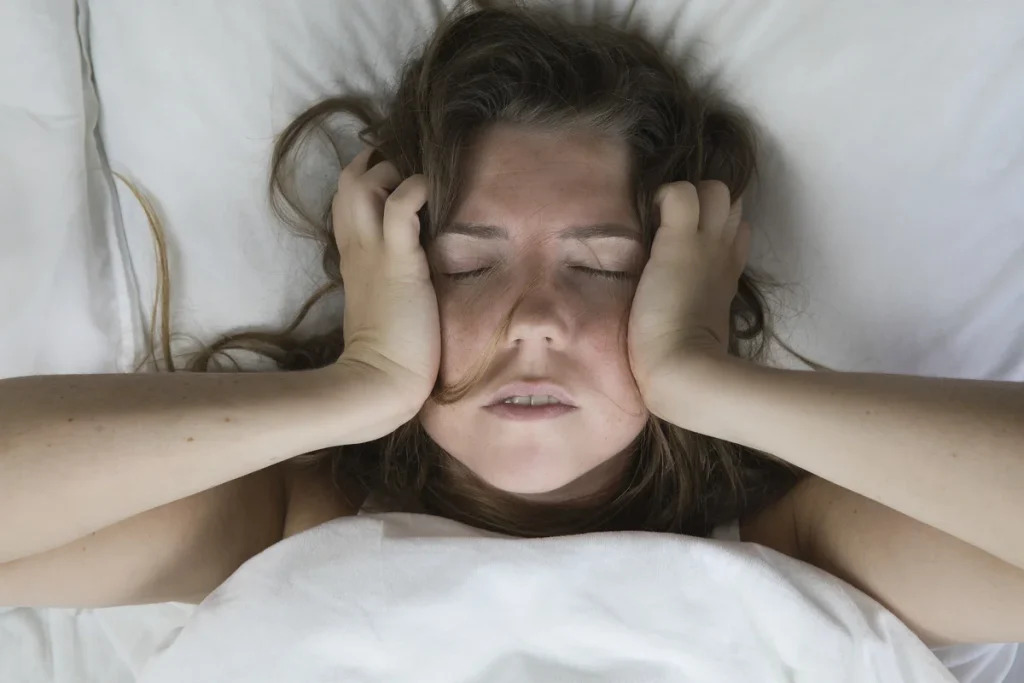
Can Poor Sleep Affect IVF Success? What Research Reveals About Sleep Quality and Fertility Treatment
Sleep plays an important role in overall health, hormonal balance and reproductive wellbeing. For people undergoing in vitro fertilisation (IVF), sleep quality may also be worth considering during treatment. IVF involves several stages, including ovarian stimulation, egg retrieval, fertilisation and embryo transfer. Each stage depends on carefully coordinated biological processes. Research suggests that sleep patterns and circadian rhythms may be associated with reproductive hormones and certain IVF outcomes. However, poor sleep does not automatically mean that fertility treatment will fail. Understanding these potential connections can help patients make informed lifestyle choices. It can also support useful discussions with fertility specialists throughout treatment.