Planning a pregnancy can bring many questions, especially for women living with inflammatory bowel disease (IBD), including Crohn’s disease and ulcerative colitis. Along with managing symptoms and protecting their health, some women may also need fertility treatment to conceive. This can make the journey feel more complicated, but having IBD does not mean that pregnancy is out of reach. New research presented at the 2026 American College of Gastroenterology Annual Scientific Meeting offers encouraging information about fertility treatment outcomes in women with IBD. The findings highlight the role of in vitro fertilization (IVF), particularly embryo transfer, and the importance of discussing fertility options early with the right medical team. IBD is a group of chronic conditions that cause inflammation in the digestive tract. Crohn’s disease and ulcerative colitis are the two main types. Although these conditions primarily affect the digestive system, they can also influence reproductive health and pregnancy planning. For some women, fertility may be affected by active inflammation, previous pelvic surgery, or other health concerns related to their condition. Surgery involving the pelvis can sometimes lead to scar tissue or changes around the reproductive organs, making it more difficult for an egg and sperm to meet naturally. However, the effect varies from person to person, and many women with IBD conceive without fertility treatment. The emotional side of family planning also matters. Women may worry about whether their condition will affect their chances of becoming pregnant, whether their medications are suitable during pregnancy, or whether treatment could worsen their symptoms. These concerns are understandable, but they do not have to be managed alone. A gastroenterologist and fertility specialist can help create a plan that considers both reproductive goals and IBD management. A study from the Women with Inflammatory Bowel Disease and Motherhood (WIsDoM) cohort examined fertility treatment outcomes among women with IBD. The findings were presented by researchers Eugenia Shmidt, MD, and Zoë Gottlieb, MD, at the 2026 American College of Gastroenterology Annual Scientific Meeting. The study included 421 women, of whom 67 had undergone fertility treatment. Among the 52 women who attempted pregnancy through intrauterine insemination (IUI), embryo transfer (ET), or both, 38 became pregnant. This represents approximately 73% of the women in that group. The researchers also found a difference between the two treatment approaches. Of the individual treatment attempts recorded, 73% of embryo transfer attempts resulted in pregnancy, compared with 10% of IUI attempts. These results suggest that embryo transfer may be an important option for some women with IBD who need fertility assistance. However, there is an important detail to understand. These figures describe pregnancy rates in a particular group of women receiving treatment, not the chance of success for every woman with IBD. The study was relatively small, and pregnancy does not always result in a live birth. More research is needed to confirm these findings and understand which patients are most likely to benefit from each approach. IVF is a fertility treatment in which eggs are collected from the ovaries and fertilized with sperm in a laboratory. The resulting embryos are monitored as they develop, and an embryo is transferred into the uterus when the treatment team considers it appropriate. Additional suitable embryos may sometimes be frozen for future use. IUI is different because prepared sperm is placed directly into the uterus around the time of ovulation. Fertilization still needs to happen inside the body. IVF, on the other hand, allows fertilization to take place in a laboratory before an embryo is transferred. For women with IBD, the choice between these treatments depends on several factors, including age, ovarian reserve, sperm health, previous fertility history, and whether pelvic surgery may have affected natural conception. IVF may be considered when other approaches are less suitable or have not worked. The WIsDoM findings are particularly interesting because the pregnancy rate per embryo transfer attempt was considerably higher than the rate per IUI attempt in the study. This does not mean that IVF is always the first or best option for every woman with IBD. Instead, it highlights why treatment decisions should be based on individual medical circumstances rather than a one-size-fits-all approach. Previous pelvic surgery can be an important part of fertility planning for women with IBD. Some women with ulcerative colitis undergo surgery that involves removing the colon and creating an internal pouch to help manage bowel function. Depending on the procedure, changes around the reproductive organs may affect the ability to conceive naturally. In the WIsDoM study, women receiving fertility treatment were more likely to have had previous pelvic IBD surgery than women who did not receive treatment. Among the small subgroup of women with previous pelvic surgery who underwent embryo transfer, all seven became pregnant. Neither of the two women who tried IUI alone conceived. Although these results may seem encouraging, the numbers are too small to draw firm conclusions. They do not prove that every woman who has had pelvic surgery should proceed directly to IVF. They do, however, support having an early conversation with a fertility specialist about whether IVF may be more appropriate than spending time on other treatments. A specialist can review the type of surgery performed, the woman’s reproductive health, and any other fertility concerns before recommending a treatment plan. For some women, moving to IVF earlier may be worth discussing, particularly when natural conception is likely to be more difficult. Planning IVF with IBD involves more than choosing a fertility procedure. It also means making sure the digestive condition is being managed as effectively as possible before pregnancy. Whenever possible, women should discuss their pregnancy plans with their gastroenterologist before starting fertility treatment. Disease activity, current medications, nutritional needs, and previous surgeries may all influence the timing of treatment. The goal is to support the woman’s overall health while choosing a fertility plan that fits her needs. Here are a few areas to discuss with your medical team: These steps cannot guarantee IVF success, but they can help your medical team identify concerns and make decisions with a clearer understanding of your health. One of the important messages from the WIsDoM researchers is that conversations about fertility should begin early, rather than waiting until conception becomes a major concern. General fertility guidance often recommends seeking an evaluation after 12 months of trying to conceive for women younger than 35, or after six months for women aged 35 and older. However, women with IBD may benefit from earlier advice depending on their medical history, previous pelvic surgery, and other risk factors. The researchers highlighted referral after six months of trying, with an even earlier referral for women over 40 and for some women who have undergone surgery involving the rectum or pelvis. An early consultation does not mean you must begin IVF immediately. It gives you an opportunity to understand your options, identify possible barriers, and decide on the next steps with professional guidance. If you already know that you want children, discussing your plans with your gastroenterologist can be a useful starting point. Fertility treatment can involve repeated appointments, medications, uncertainty, and difficult decisions. For women who are already managing IBD, the added responsibilities can feel overwhelming. It is normal to have questions about whether treatment will work, how it may fit into everyday life, and how much support you will need. Cost is another important consideration. The WIsDoM researchers noted that access to embryo transfer and IVF can be affected by financial and insurance barriers. Although IUI may initially appear to be a less expensive option, repeated unsuccessful cycles can add to both the financial and emotional burden. IVF can also be costly, so it is important to understand the likely expenses, insurance coverage, and available treatment options before making a decision. Ask your fertility clinic to explain the expected costs, what is included in the treatment plan, and whether additional procedures or frozen embryo transfers could involve separate fees. Having this information early can help you make a decision that feels manageable for you and your family. The WIsDoM study offers encouraging early evidence that many women with IBD can become pregnant with fertility treatment. In the reported group, approximately 73% of women who attempted IUI or embryo transfer conceived, and pregnancy rates were higher per embryo transfer attempt than per IUI attempt. Still, these findings should be interpreted carefully. A relatively small number of women received treatment, and the results cannot predict an individual’s chances of pregnancy or live birth. More research is needed to understand which treatment approaches work best for different women with IBD. If you are planning IVF while living with Crohn’s disease or ulcerative colitis, you do not need to figure everything out at once. Start by discussing your family-building goals with your gastroenterologist and asking for a referral to a fertility specialist when appropriate. With coordinated care, clear information, and a treatment plan tailored to your health, you can make informed decisions about the path toward pregnancy.How Can IBD Affect Fertility?
What Does the New Research Say About IVF and IBD?
Why Is IVF Through Embryo Transfer Important?
Does Previous IBD Surgery Affect IVF Success?
Preparing for IVF While Managing IBD
When Should Women With IBD Seek Fertility Advice?
Understanding the Emotional and Financial Side of IVF
The Takeaway: IVF Is an Option Worth Discussing
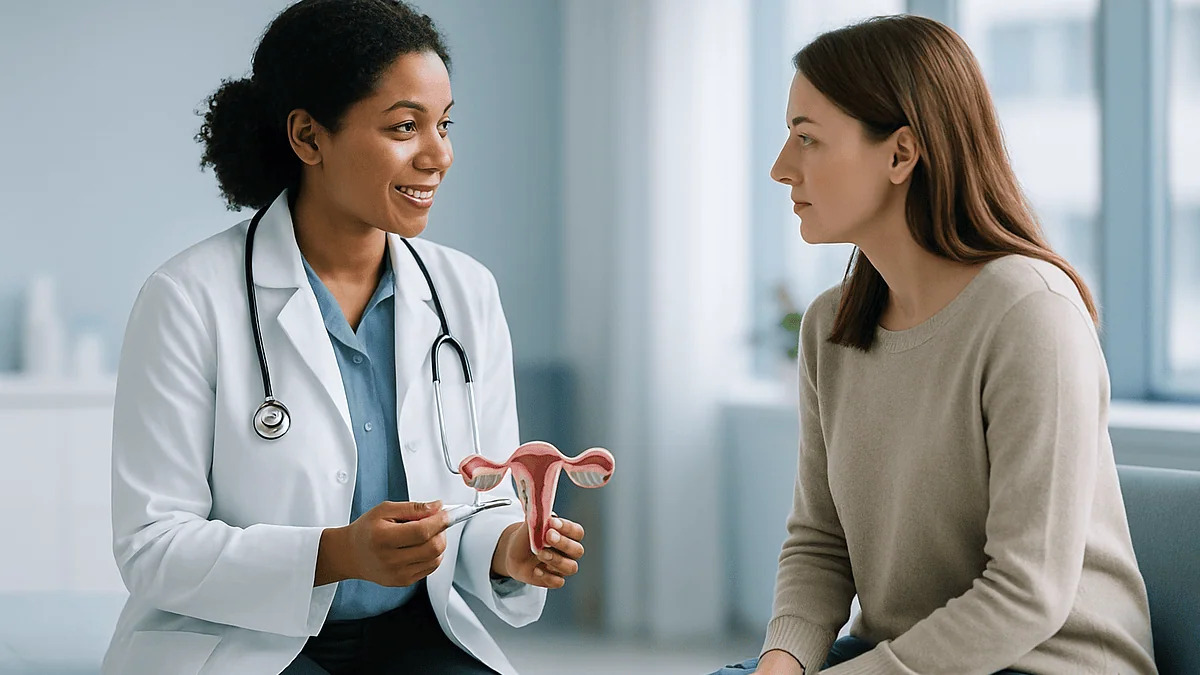
Planning IVF With IBD: Understanding Fertility Treatment Options
Planning a pregnancy can bring many questions, especially for women living with inflammatory bowel disease (IBD), including Crohn’s disease and ulcerative colitis. Along with managing symptoms and protecting their health, some women may also need fertility treatment to conceive. This can make the journey feel more complicated, but having IBD does not mean that pregnancy is out of reach. New research presented at the 2026 American College of Gastroenterology Annual Scientific Meeting offers encouraging information about fertility treatment outcomes in women with IBD. The findings highlight the role of in vitro fertilization (IVF), particularly embryo transfer, and the importance of discussing fertility options early with the right medical team.