Asherman syndrome is a uterine condition that can affect fertility and pregnancy. It develops when scar tissue forms inside the uterus, creating adhesions that may cause the uterine walls to stick together. These adhesions can damage the endometrium, the lining that supports embryo implantation and early pregnancy. For women considering in vitro fertilisation (IVF), the condition can raise important questions about treatment suitability and success. However, an Asherman syndrome diagnosis does not automatically rule out IVF. Treatment may help restore the uterine cavity and improve reproductive prospects. Outcomes depend on the severity of scarring, the condition of the uterine lining and individual fertility factors. The uterus has a delicate inner lining that changes throughout the menstrual cycle. This lining prepares for a possible pregnancy by supporting embryo implantation. When the uterine lining becomes injured, scar tissue can develop during healing. If this tissue forms inside the uterine cavity, adhesions may connect opposing surfaces and restrict the available space. Asherman syndrome commonly develops after procedures involving the uterus, including dilatation and curettage (D&C). This procedure may be performed after a miscarriage, delivery or removal of retained pregnancy tissue. Certain infections, including genital tuberculosis, can also cause uterine scarring. The effects vary between individuals. Some women have limited adhesions, while others experience extensive scarring that significantly changes the uterine cavity. The condition may lead to lighter periods, absent menstruation, pelvic pain, difficulty conceiving or recurrent pregnancy loss. Some women have no obvious symptoms and discover the condition during fertility investigations. Yes, IVF may be possible for women with Asherman syndrome. However, treatment usually requires careful assessment of the uterine cavity before embryo transfer. IVF helps fertilise eggs outside the body, but successful pregnancy also depends on the uterus being able to support implantation and early development. During IVF, eggs are collected following ovarian stimulation and fertilised with sperm in a laboratory. The resulting embryos are assessed, and a suitable embryo may be transferred into the uterus. If significant adhesions remain, the embryo may struggle to implant because the uterine lining is damaged or the cavity is distorted. For this reason, fertility specialists often recommend treating significant adhesions before proceeding with embryo transfer. The treatment plan depends on the extent of scarring, the condition of the endometrium and other fertility considerations. Some women may conceive naturally after treatment, while others may benefit from IVF because of additional fertility challenges. Importantly, IVF does not directly remove scar tissue or repair the uterine lining. Addressing the underlying uterine condition is often an essential step towards improving the chances of pregnancy. Accurate diagnosis helps fertility specialists understand whether uterine adhesions could affect treatment. The assessment usually begins with a review of menstrual changes, previous pregnancies, uterine procedures and relevant medical conditions. A history of unusually light periods or absent menstruation after a uterine procedure may prompt further investigation. Doctors may recommend saline infusion sonography, which uses fluid introduced into the uterine cavity during ultrasound imaging. This can help identify abnormalities and areas where the cavity appears restricted. Other imaging methods may also be considered according to individual circumstances. Hysteroscopy is widely regarded as the key method for directly examining intrauterine adhesions. During this procedure, a thin instrument with a camera passes through the cervix into the uterus. This allows the specialist to assess the location and extent of scar tissue. Hysteroscopy can also guide treatment when adhesions are present. Understanding the severity of the condition helps specialists plan the next steps before IVF. It can also help identify whether further assessment is needed to evaluate the remaining endometrial lining. Treatment generally involves hysteroscopic adhesiolysis. During this procedure, a specialist carefully divides the scar tissue to separate the adhesions and restore the shape of the uterine cavity. The aim is to improve the environment needed for embryo implantation and pregnancy. The procedure must be tailored to the extent of the scarring. Extensive adhesions may require particularly careful treatment because the uterine lining can be vulnerable to further injury. In some cases, follow-up examinations are necessary to assess healing and check whether adhesions have returned. Restoring the uterine cavity can improve reproductive prospects, but the outcome depends partly on how much healthy endometrium remains. If the lining has sustained substantial damage, treatment may not fully restore its function. Some women may need additional management before their fertility specialist considers embryo transfer appropriate. There is no single treatment pathway that suits everyone. The timing of IVF depends on recovery, the results of follow-up assessments and other reproductive factors. Specialists can explain whether further treatment is advisable and when it may be appropriate to proceed. Several factors can influence the likelihood of pregnancy following treatment for Asherman syndrome. The severity of the adhesions is particularly important. Limited scarring may be easier to treat, while extensive adhesions can cause more significant damage to the uterine cavity and lining. The condition of the endometrium also matters. A healthy uterine lining provides the environment needed for embryo implantation and early pregnancy development. Even after adhesions are separated, underlying damage may affect how well the lining functions. Age, ovarian reserve, egg quality, embryo development and sperm quality can influence IVF outcomes independently of Asherman syndrome. Other uterine conditions and previous pregnancy experiences may also affect the treatment plan. Women should understand that successful fertilisation does not guarantee successful implantation. Similarly, restoring the uterine cavity does not guarantee a live birth. Fertility specialists consider these factors together when discussing realistic expectations and appropriate treatment options. An Asherman syndrome diagnosis can feel worrying, especially when pregnancy is an important goal. However, understanding the condition and its severity can help women explore suitable options. Early assessment may clarify whether adhesions are present and whether treatment could improve the uterine environment. Women should discuss their medical history and reproductive goals openly with a fertility specialist. Questions may include whether hysteroscopic treatment is necessary, how healing will be assessed and when embryo transfer might be considered. It is also useful to ask about the possibility of recurrent adhesions and whether additional procedures may be required. Emotional support can be valuable throughout diagnosis and treatment. Fertility difficulties can bring uncertainty, particularly when several procedures are involved. Clear information from healthcare professionals can help patients understand the process and make decisions with greater confidence. IVF may be an option for women with Asherman syndrome, but treatment often begins with assessing and managing uterine adhesions. Hysteroscopic adhesiolysis can help restore the uterine cavity, potentially improving the conditions needed for embryo implantation. However, outcomes depend on the severity of scarring, the health of the remaining endometrium and other fertility factors. A diagnosis does not automatically mean that pregnancy is impossible. A personalised assessment can help determine whether treatment, IVF or another approach is suitable. Working closely with a fertility specialist can support informed decisions and realistic expectations throughout the journey towards pregnancy.What Is Asherman Syndrome and How Does It Affect Fertility?
Can You Have IVF With Asherman Syndrome?
How Is Asherman Syndrome Diagnosed Before IVF?
Can Treating Asherman Syndrome Improve IVF Outcomes?
What Factors Influence IVF Success With Asherman Syndrome?
Managing Expectations and Planning Your Fertility Journey
Conclusion
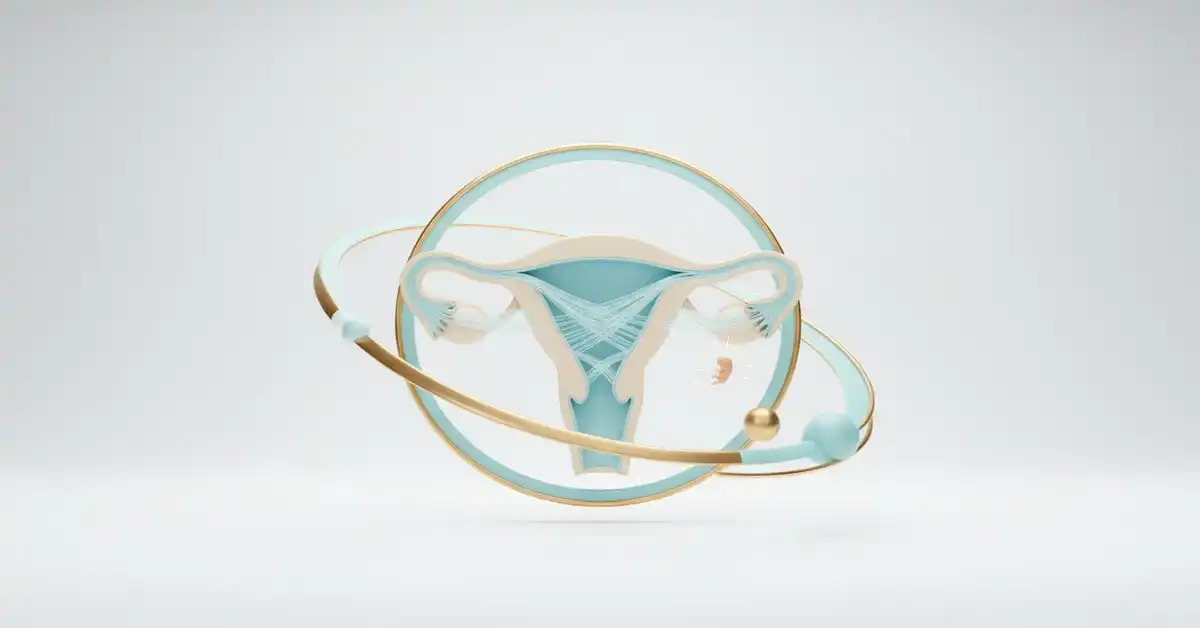
Can You Have IVF With Asherman Syndrome? Understanding Treatment Options
Asherman syndrome is a uterine condition that can affect fertility and pregnancy. It develops when scar tissue forms inside the uterus, creating adhesions that may cause the uterine walls to stick together. These adhesions can damage the endometrium, the lining that supports embryo implantation and early pregnancy. For women considering in vitro fertilisation (IVF), the condition can raise important questions about treatment suitability and success. However, an Asherman syndrome diagnosis does not automatically rule out IVF. Treatment may help restore the uterine cavity and improve reproductive prospects. Outcomes depend on the severity of scarring, the condition of the uterine lining and individual fertility factors.