Motherhood is no longer planned around one fixed timeline. Many women prioritise education, careers, financial stability and personal readiness before starting a family. As a result, more women are exploring fertility assessments and assisted reproductive treatments later in life. In vitro fertilisation (IVF) has become an important option for those experiencing difficulties conceiving naturally. However, fertility changes with age, and treatment outcomes vary between individuals. Understanding these changes can help women make informed reproductive decisions. IVF can offer opportunities for some patients, but it cannot completely reverse age-related fertility decline. Early information and personalised medical guidance remain essential when planning motherhood. Social expectations around marriage and parenthood have changed considerably. Many women now pursue higher education, develop professional careers and work towards financial independence before considering children. Others may be waiting for a suitable relationship or managing personal responsibilities. These choices reflect changing priorities and the growing importance of individual circumstances in family planning. Recent reporting by The Times of India highlights the increasing number of women seeking fertility advice in their late thirties and early forties. Fertility clinics are seeing more patients who want to understand their reproductive options before attempting pregnancy. This growing interest has brought IVF, fertility assessments and egg freezing into wider conversations about modern motherhood. The Times of India +1 Although delaying motherhood can offer personal advantages, biological fertility does not follow the same timeline as career or financial goals. Understanding this difference allows women to plan with greater awareness rather than relying on assumptions about future fertility. Female fertility changes naturally with age. Women are born with a finite number of eggs, and this supply gradually decreases over time. Egg quality also declines with age, which can affect fertilisation, embryo development and the likelihood of a successful pregnancy. These changes become more significant for many women during their mid-to-late thirties. Age does not determine every woman’s fertility individually. Some women conceive naturally in their late thirties or forties, while others experience difficulties earlier. Conditions such as endometriosis, polycystic ovary syndrome and reduced ovarian reserve can also influence reproductive health. Men’s fertility and sperm quality may change with age, too. An ovarian reserve assessment can help doctors estimate the remaining egg supply. Tests may include anti-Müllerian hormone (AMH) measurements and an ultrasound scan to assess antral follicles. However, these tests cannot precisely predict whether someone will conceive naturally or achieve a successful IVF pregnancy. They are most useful when interpreted alongside age, medical history and other fertility findings. IVF is an established fertility treatment that involves fertilising eggs with sperm in a laboratory. The resulting embryos are assessed, and a suitable embryo may be transferred into the uterus. Additional embryos may sometimes be frozen for future use, depending on their development and the treatment plan. For women planning motherhood later, IVF may provide an option when natural conception proves difficult. It can also help address certain fertility problems, including blocked fallopian tubes and some forms of male-factor infertility. However, treatment suitability depends on the underlying cause of infertility and individual reproductive health. Age remains an important factor in IVF outcomes, particularly when using a woman’s own eggs. IVF cannot restore the quality of eggs affected by ageing. Some women may require more than one treatment cycle, while others may not achieve pregnancy despite treatment. Discussing realistic expectations with a fertility specialist can help patients understand the potential benefits, limitations, costs and emotional demands involved. Egg freezing has become another consideration for women who wish to preserve reproductive options. The procedure involves stimulating the ovaries, collecting mature eggs and freezing them for possible future use. These eggs may later be thawed and fertilised through IVF. Freezing eggs at a younger age generally offers better prospects than freezing them later, because egg quality typically declines over time. However, the procedure does not guarantee a future pregnancy. Outcomes depend on factors such as age at freezing, the number of mature eggs stored and their performance during later treatment. Fertility preservation may be worth discussing with a specialist when motherhood is not an immediate plan. The decision should reflect personal circumstances, medical considerations and realistic expectations. Women should also understand that egg freezing involves medication, monitoring, a retrieval procedure and financial costs. It is an option for preserving possibilities, rather than a guarantee of postponing biological fertility changes. Planning motherhood later involves more than deciding whether to pursue IVF. A fertility consultation can help women understand their current reproductive health and available choices. Specialists may review menstrual history, previous pregnancies, medical conditions, ovarian reserve and partner-related fertility factors. These details can guide decisions about natural conception, fertility treatment or preserving eggs for future use. Lifestyle habits can support general reproductive health, although they cannot prevent all age-related fertility changes. Balanced nutrition, regular physical activity, adequate sleep and avoiding smoking can contribute to overall wellbeing. Existing medical conditions should also receive appropriate attention before pregnancy. Women should avoid relying solely on online stories or celebrity pregnancy announcements when assessing their own chances. Public accounts rarely reveal the complete medical history, treatment details or difficulties involved. Individual fertility experiences differ, so personalised medical advice is more useful than comparisons with other people. Planning motherhood later in life reflects changing personal priorities and modern family choices. IVF offers an important option for women who experience fertility difficulties, while egg freezing may help preserve reproductive possibilities for the future. However, neither treatment removes the effects of ageing on egg quality or guarantees pregnancy. Understanding fertility early can help women make decisions that suit their circumstances. A timely consultation can clarify ovarian reserve, explain available treatments and establish realistic expectations. With informed planning and appropriate medical support, women can approach later motherhood with greater awareness of their options and limitations.Why More Women Are Planning Motherhood Later
Understanding How Age Affects Female Fertility
How IVF Fits Into Later Motherhood
Egg Freezing and Fertility Preservation
Making Informed Choices About Fertility Treatment
Conclusion
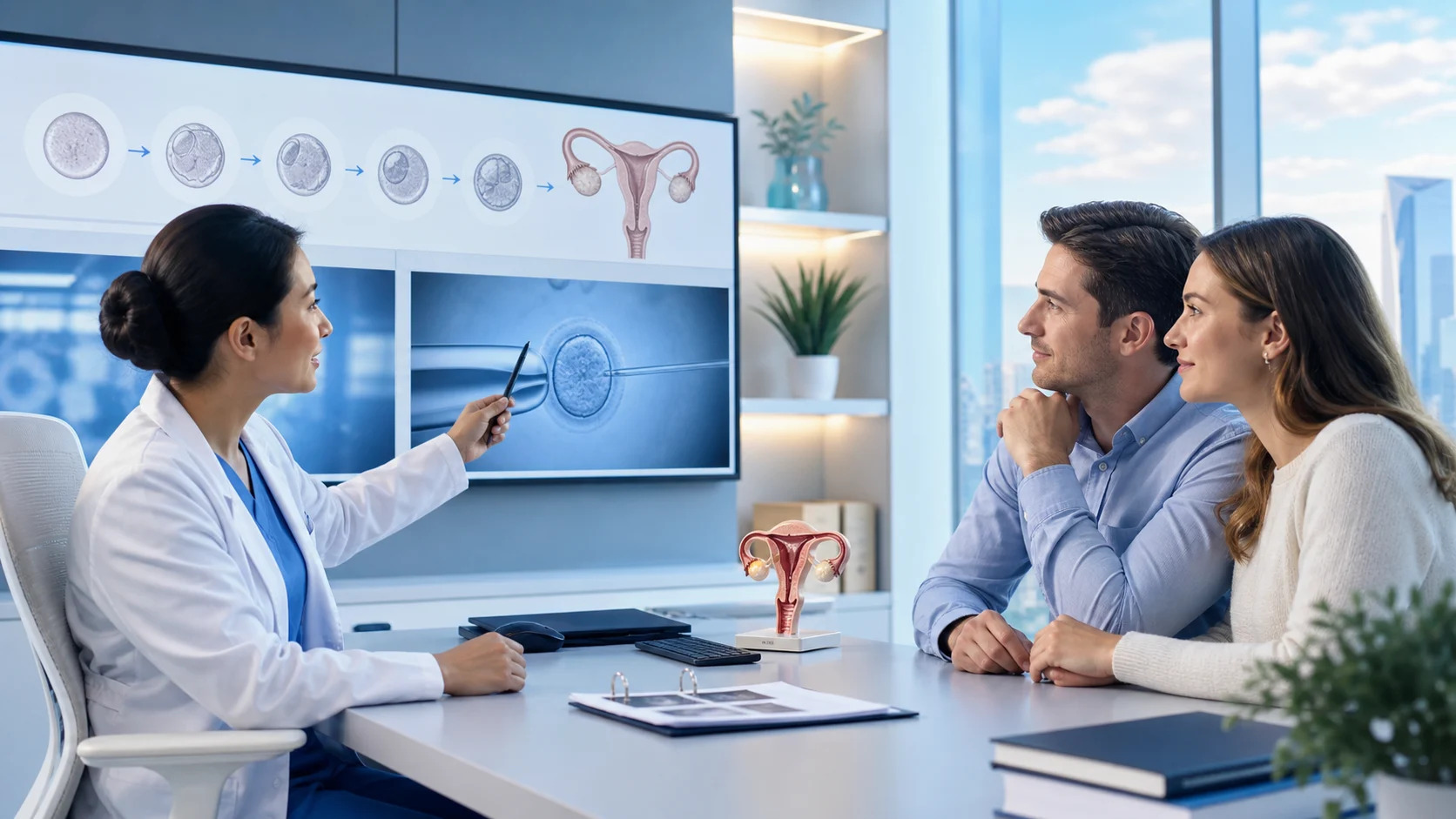
Planning Motherhood Later in Life: How IVF Fits Into Modern Fertility Choices
Motherhood is no longer planned around one fixed timeline. Many women prioritise education, careers, financial stability and personal readiness before starting a family. As a result, more women are exploring fertility assessments and assisted reproductive treatments later in life. In vitro fertilisation (IVF) has become an important option for those experiencing difficulties conceiving naturally. However, fertility changes with age, and treatment outcomes vary between individuals. Understanding these changes can help women make informed reproductive decisions. IVF can offer opportunities for some patients, but it cannot completely reverse age-related fertility decline. Early information and personalised medical guidance remain essential when planning motherhood.