When preparing for IVF, couples often focus on egg quality, embryo development and the timing of treatment. But sperm preparation is also an important part of the process. One common question is whether abstaining from sex for a few days before providing a sperm sample can improve the chances of successful fertilisation. The answer is a little more complicated than simply saying that longer abstinence is better. Sperm count and sperm quality do not always improve in the same way. This is why many fertility clinics and specialists recommend a moderate period of abstinence, often around two to four days, depending on the individual’s situation and the type of treatment being performed. The 2-to-4-day rule generally refers to avoiding ejaculation for a short period before providing a semen sample. The idea is to find a balance between having enough sperm in the sample and maintaining good sperm movement and overall quality. After ejaculation, the body continues producing sperm. Waiting for a few days can allow sperm to accumulate. However, waiting too long may not necessarily produce a better sample. For IVF, the exact recommendation can vary depending on factors such as: This is why couples should follow the instructions given by their own fertility team rather than relying on a general rule found online. It might seem logical that abstaining for a week or longer would produce more sperm and therefore improve fertility. However, fertility is not simply about the number of sperm present. Sperm that remain stored for longer periods may begin to lose some of their functional quality. In some men, prolonged abstinence may be associated with reduced motility, meaning the sperm may not move as effectively. There may also be concerns about changes in sperm health and DNA integrity. In simple terms, a larger number of sperm does not automatically mean a better-quality sample. A moderate abstinence period aims to avoid both extremes. Ejaculating very frequently may reduce the number of sperm available in a single sample, while waiting too long may not provide the healthiest balance of quantity and function. During conventional IVF, sperm and eggs are brought together in the laboratory to allow fertilisation to take place. The sperm must be able to reach and fertilise the egg. In ICSI, the process is different. An embryologist selects an individual sperm and injects it directly into the egg. Even then, sperm quality remains important. The laboratory team will assess the sample and select suitable sperm for the procedure. If a semen sample has a low sperm count or poor movement, the fertility specialist may recommend a specific approach based on the couple’s circumstances. For some patients, the recommended abstinence period may be shorter or longer than the usual two to four days. There is no single schedule that is right for everyone. A semen analysis looks at several different aspects of sperm health. These can include: A man can have a high sperm count but still have issues with movement or other aspects of sperm function. Similarly, a lower count does not automatically mean pregnancy is impossible. This is one reason why fertility specialists look at the whole picture rather than focusing on one number alone. Abstinence before providing a sperm sample may affect the characteristics of that particular sample, but it should not be viewed as a guaranteed way to improve IVF success. IVF outcomes depend on many factors, including: The abstinence period is only one small part of the preparation process. It can help the fertility laboratory work with an appropriate sample, but it cannot guarantee fertilisation, pregnancy or a live birth. Some men have normal semen parameters and may simply follow the clinic’s standard instructions. Others may have a history of low sperm count, reduced motility or concerns about sperm DNA damage. In these situations, the fertility specialist may give more personalised advice. For example, someone with certain sperm-quality concerns may not necessarily benefit from a long period of abstinence. The clinic may recommend a different schedule based on previous test results and the planned treatment. If a couple is using frozen sperm, surgically retrieved sperm or donor sperm, the preparation process may also be different. The best approach is to ask the clinic directly: How many days of abstinence do you recommend for my particular IVF cycle? The quality of a sperm sample is not determined only by what happens during the few days before IVF. Sperm production is an ongoing process, and general health and lifestyle can influence reproductive health over time. Men preparing for IVF may benefit from paying attention to habits such as: These changes are not a quick fix, and they cannot guarantee a successful IVF cycle. However, improving overall health can be a positive part of preparing for fertility treatment. IVF already comes with a long list of appointments, medications and instructions. It is easy to become anxious about getting every small detail exactly right. If you have been told to abstain for two to four days, try not to overthink it. The purpose is simply to help create a suitable balance for the sperm sample. If ejaculation happens outside the recommended timeframe, do not assume the IVF cycle is ruined. Contact your fertility clinic and let them know. The team can advise you on what to do next based on the timing and your treatment plan. Fertility treatment is not usually decided by one day or one decision. The 2-to-4-day abstinence rule before IVF is not about storing up as much sperm as possible. It is about trying to find a reasonable balance between sperm quantity and quality. Longer abstinence does not automatically mean better sperm. In fact, sperm that remain stored for too long may not always have the same level of movement or functional quality. At the same time, very frequent ejaculation can affect the number of sperm available in a single sample. IVF can involve many questions, but you do not have to figure out every detail alone. A clear conversation with your fertility team can help you feel more prepared and confident as you move through the process.What Is the 2-to-4-Day Abstinence Rule?
Why Longer Abstinence Is Not Always Better
What Does This Mean for IVF?
Sperm Count Is Only One Part of the Picture
Does Abstinence Improve IVF Success Rates?
Why Individual Advice Matters
Lifestyle Matters Long Before the IVF Appointment
Don’t Let the Rule Create More Stress
Final Thoughts
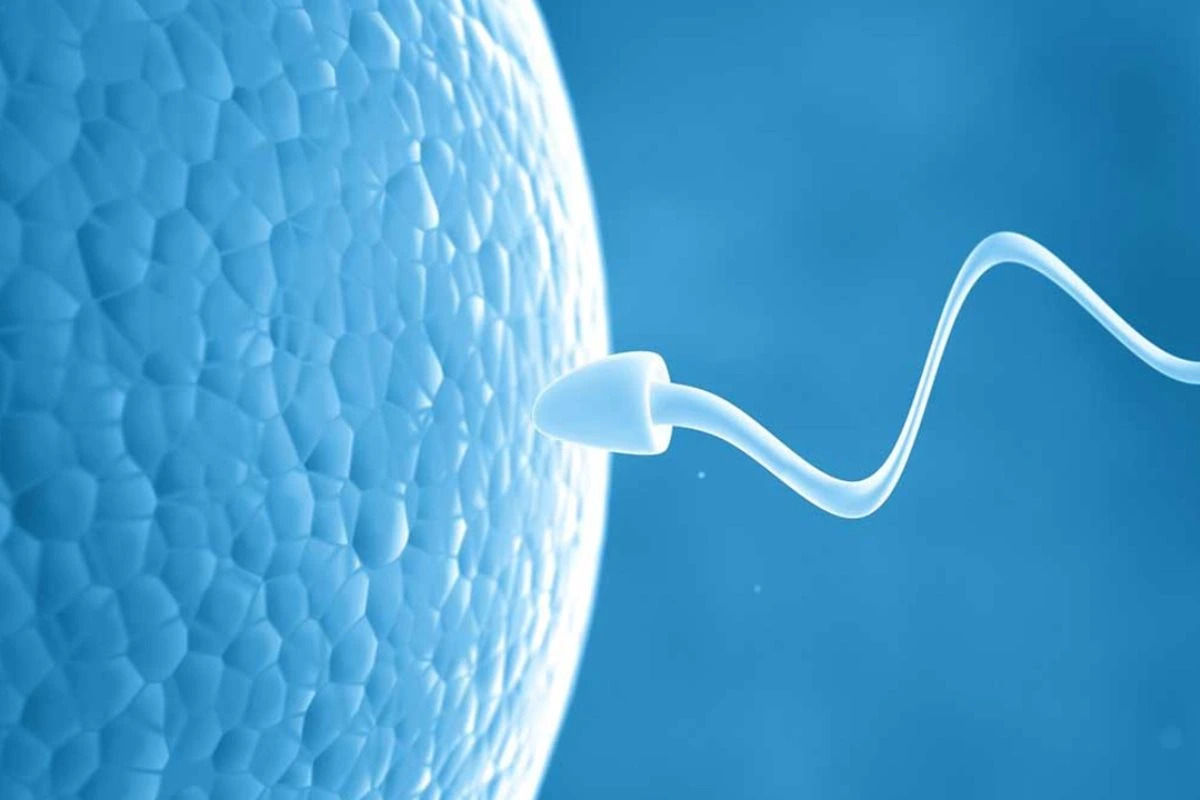
Sperm Quality Before IVF: Understanding the 2-to-4-Day Abstinence Rule
When preparing for IVF, couples often focus on egg quality, embryo development and the timing of treatment. But sperm preparation is also an important part of the process. One common question is whether abstaining from sex for a few days before providing a sperm sample can improve the chances of successful fertilisation.