Paracetamol, also known as acetaminophen, is commonly used during pregnancy to manage pain and fever. New research has raised questions about whether taking the medicine during early pregnancy could affect the reproductive development of babies. Researchers observed smaller ovaries and testes in some babies exposed to paracetamol before birth. The findings have attracted attention because reproductive health is closely connected to future fertility. However, it is important to understand what the research does and does not show. The study does not prove that paracetamol causes smaller reproductive organs, and it does not show that children exposed during pregnancy will have fertility problems later in life. For people undergoing or considering IVF, the findings are best viewed as an area that needs further research rather than a reason to panic. Researchers looked at reproductive development in babies whose mothers had used paracetamol during pregnancy. The findings suggested that girls exposed to the medicine during early pregnancy had smaller ovarian volume and lower levels of anti-Müllerian hormone, or AMH, in the study group. Researchers also reported differences in the size of reproductive organs in some children. The researchers followed another group of girls over a longer period and again reported smaller reproductive organs among those exposed to paracetamol before birth. However, these observations do not establish that the medicine caused the differences. More importantly, they do not show that these children will have reduced fertility when they become adults. This distinction matters when discussing IVF. A difference in the size of an ovary or testis during infancy is not the same as proving infertility later in life. Researchers need much longer follow-up to understand whether these early differences have any meaningful effect on reproductive health. At first, the connection between paracetamol during pregnancy and IVF may seem unusual. IVF is generally considered years later, when someone is having difficulty conceiving. So why could research involving babies and reproductive development matter to fertility treatment? The answer is that IVF depends on healthy reproductive function. In women, the ovaries produce eggs, while in men, the testes are responsible for sperm production. If an exposure during fetal development were eventually shown to influence ovarian reserve, sperm production or reproductive function later in life, it could potentially become relevant to fertility care. But at present, there is no evidence showing that prenatal paracetamol exposure causes infertility or increases the need for IVF. The findings simply raise questions about whether early reproductive development could be affected in ways scientists do not yet fully understand. For this reason, it would be inappropriate to tell parents that taking paracetamol during pregnancy will cause future fertility problems. The current evidence does not support that conclusion. One of the findings receiving attention is the reported difference in ovarian development among girls exposed to paracetamol early in pregnancy. The ovaries contain the pool of eggs a woman will have throughout her reproductive life, so ovarian development is naturally relevant to future fertility. AMH is also commonly used in fertility medicine as one marker of ovarian reserve. Doctors may measure AMH during fertility assessments and before IVF to get an idea of how the ovaries may respond to stimulation. However, AMH is not a direct test of whether someone will become pregnant. A lower AMH level does not automatically mean infertility. Similarly, ovarian volume or follicle measurements in infancy cannot be used to predict whether a person will have difficulty conceiving or need IVF decades later. This is important because headlines can sometimes make an early biological finding sound much more certain than it actually is. The research is not limited to baby girls. It also raises questions about reproductive development in baby boys, including the possibility of smaller testes following prenatal exposure. The testes have an important role in future male fertility because they produce sperm and reproductive hormones. However, just as with the findings involving ovaries, researchers have not established that differences seen following prenatal exposure will translate into infertility in adulthood. Male fertility is influenced by many factors, including sperm production, sperm movement, sperm shape, hormones, genetics, medical conditions, age and lifestyle. If someone eventually has difficulty conceiving, a semen analysis and appropriate fertility evaluation are much more useful than trying to determine whether a medication taken by their mother decades earlier was responsible. Not necessarily. This is one of the most important points for women who may have taken paracetamol during pregnancy and are now worried. Paracetamol has been widely used during pregnancy for pain and fever. At the same time, women are generally advised to use medicines during pregnancy only when needed and according to medical guidance. If there are questions about the right dose, how often it can be taken or whether another treatment would be more appropriate, it is best to speak with a healthcare professional. There is also an important reason not to simply ignore significant pain or fever during pregnancy. An untreated illness can also create health concerns, so decisions about medication need to consider both the mother’s condition and the developing baby. The new research should therefore not be interpreted as saying that paracetamol is unsafe for every pregnant woman. Instead, it adds another question for researchers to investigate. For women currently preparing for IVF, these findings should not change a treatment plan on their own. If you are taking paracetamol for pain or fever, speak with your fertility specialist or obstetrician rather than stopping medication suddenly because of a research report. IVF treatment already involves careful planning. Your doctor may review your medical history, medications, existing health conditions, ovarian reserve and previous fertility treatment before deciding how to proceed. If you become pregnant after IVF, medication decisions can become particularly important because the pregnancy may involve regular monitoring. It is reasonable to ask your healthcare team whether a particular medicine is appropriate, especially if you need repeated doses or have another medical condition. The key is to avoid making medication decisions based only on headlines or social media posts. This also applies to supplements and products marketed for fertility. Not every product has strong evidence behind it, and taking more products does not necessarily improve fertility. Modern IVF has given doctors powerful tools for understanding and treating infertility. Fertility specialists can assess ovarian reserve, analyse sperm, monitor embryo development and, in selected cases, use genetic testing. But fertility science still has many unanswered questions. Early reproductive development is one of them. Researchers are increasingly interested in how medications, environmental exposures, nutrition and other factors during pregnancy may influence health later in life. The new paracetamol research is part of this broader scientific discussion. Future research may provide clearer answers about whether prenatal medication exposure has any meaningful effect on reproductive function. It is also possible that some of the differences observed in early studies will not translate into fertility problems at all. That is why long-term research is important before drawing conclusions about future fertility or IVF. For couples undergoing IVF, the most important message is not to become frightened by a single research finding. The study provides an interesting signal, but it does not establish a direct connection between paracetamol use during pregnancy and future infertility or IVF treatment. If you are pregnant or planning pregnancy, talk to your doctor before changing any medication. If you are preparing for IVF, make sure your fertility team knows about all medicines and supplements you are taking. It is also important to remember that fertility is influenced by many factors. Age, egg and sperm health, reproductive conditions, genetics and overall health can all play a role. A single medication exposure cannot be used to predict someone’s future ability to conceive. The new research on paracetamol and reproductive development is worth following because it raises questions about how early pregnancy exposures may influence reproductive health later in life. However, there is currently no evidence that prenatal paracetamol exposure directly causes infertility or increases the need for IVF. For now, women should not stop recommended or prescribed treatment based on headlines alone. Any decision about pain or fever medication during pregnancy should be made with a healthcare professional. For people considering IVF, the focus should remain on evidence-based fertility assessment, personalised treatment and careful medical guidance while researchers continue to study these possible long-term connections.What Did the New Research Find?
Why Does This Matter for IVF?
Understanding the Possible Link With Ovarian Reserve
What About Male Fertility?
Does This Mean Paracetamol Should Be Avoided During Pregnancy?
What Does This Mean for Women Preparing for IVF?
IVF Cannot Answer Every Question About Future Fertility
What Should Patients Take Away?
Final Thoughts
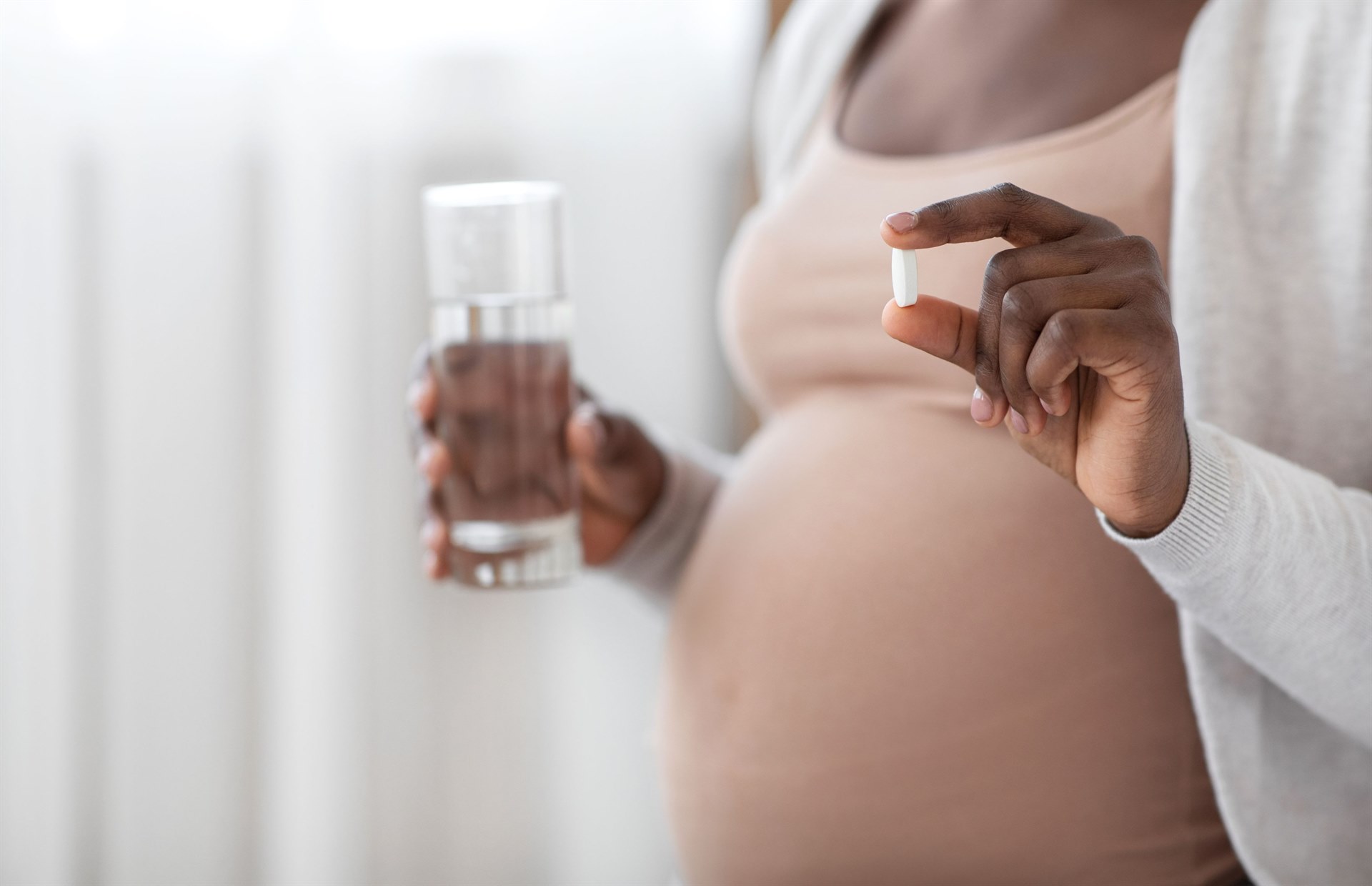
Paracetamol During Pregnancy: Understanding the Possible IVF Connection
Paracetamol, also known as acetaminophen, is commonly used during pregnancy to manage pain and fever. New research has raised questions about whether taking the medicine during early pregnancy could affect the reproductive development of babies. Researchers observed smaller ovaries and testes in some babies exposed to paracetamol before birth.