Genetic conditions can influence important family planning decisions. Some inherited mutations increase the risk of serious health problems. People carrying these mutations may worry about passing them on. IVF offers one possible way to address these concerns. Through embryo screening, specialists can examine embryos for specific genetic conditions. This process can help identify embryos without a particular inherited mutation. Egg freezing may also give some people more time. They can preserve their fertility before starting IVF later. However, screening has limitations and raises important ethical questions. Some genetic changes can pass from parents to children. Certain inherited mutations increase the risk of developing specific diseases. For example, BRCA1 mutations are associated with higher risks of breast and ovarian cancer. People carrying these mutations may consider their reproductive options carefully. They may want to reduce the chance of passing the mutation to future children. IVF with genetic testing can provide one possible pathway. It allows specialists to examine embryos before transfer. This may help prospective parents make decisions based on genetic information. However, not every genetic condition can be prevented through embryo screening. Embryo screening takes place as part of an IVF cycle. First, fertility specialists collect eggs and fertilise them with sperm. The resulting embryos develop in a laboratory. Specialists can then take a small sample of cells. These cells undergo genetic analysis to identify specific abnormalities. For families with known inherited mutations, preimplantation genetic testing for monogenic conditions (PGT-M) may be considered. This test looks for particular genetic conditions within embryos. It can help identify embryos that have not inherited the targeted mutation. Specialists may then discuss suitable embryos for transfer. However, testing does not guarantee pregnancy or a healthy child. Results must be interpreted alongside individual medical circumstances. Egg freezing can help people preserve reproductive options. Some women choose this approach before they are ready to become parents. Others consider it because of inherited health concerns. For example, someone carrying a BRCA1 mutation may wish to preserve eggs. They can use these eggs later during IVF. Embryos created through treatment can then undergo genetic testing. It is important to understand that eggs themselves are not tested for inherited embryo conditions. Testing usually takes place after fertilisation and embryo development. Egg freezing can therefore support future planning. However, it does not guarantee that enough suitable embryos will be available. Embryo screening may help reduce the risk of passing on certain inherited conditions. It can provide useful information before an embryo is transferred. This may be particularly important for people with known genetic mutations. However, testing cannot remove every possible health risk. It does not guarantee that a child will be free from all medical conditions. Some genetic results may also require further interpretation. The number of embryos available for transfer can affect treatment choices. Not every IVF cycle produces an embryo suitable for transfer. Patients should discuss the accuracy, limitations and possible outcomes with specialists. Genetic counselling can help families understand their options. Genetic testing during IVF also raises wider ethical questions. Many people support screening to reduce the risk of serious inherited diseases. However, concerns arise when testing is used for non-medical preferences. Selecting embryos based on characteristics such as sex can create ethical problems. Some countries restrict these practices. There are also concerns about discrimination against people living with disabilities. Critics warn that attempts to select particular genetic traits could reduce acceptance of human diversity. These discussions highlight the importance of responsible medical practice. Clear regulations can help distinguish health-related testing from non-medical selection. Patients should receive balanced information before making decisions. Access to IVF and genetic screening can depend on financial circumstances. Egg freezing involves costs for treatment, medication and storage. Patients may also need more than one cycle. Later IVF treatment and embryo testing can involve additional expenses. Funding arrangements vary between healthcare systems and regions. Some workplace benefits may cover parts of fertility treatment. However, support is not always available. These costs can influence when people seek treatment. Discussing expected expenses with a fertility clinic can help patients plan. Clear information about available funding may also improve access. Embryo screening has created new possibilities for family planning. Through IVF, specialists can identify certain inherited genetic conditions before embryo transfer. This may help people with known mutations make informed reproductive decisions. Egg freezing can provide additional flexibility for those planning parenthood later. However, genetic testing has limitations and cannot guarantee a healthy pregnancy. Ethical concerns and treatment costs also deserve attention. Patients should seek guidance from fertility specialists and genetic counsellors. With accurate information, they can understand the available options. Responsible use of embryo screening may support safer and more informed IVF decisions. Reference: https://www.cbc.ca/news/health/egg-freezing-genetic-testing-9.7414162 Understanding Genetic Disorders and Their Impact on Fertility Choices
How Embryo Screening Works During IVF
The Role of Egg Freezing in Future IVF Treatment
What Are the Benefits and Limitations of Genetic Testing?
Ethical Considerations Around Embryo Screening
Understanding the Cost and Accessibility of IVF Genetic Testing
Conclusion
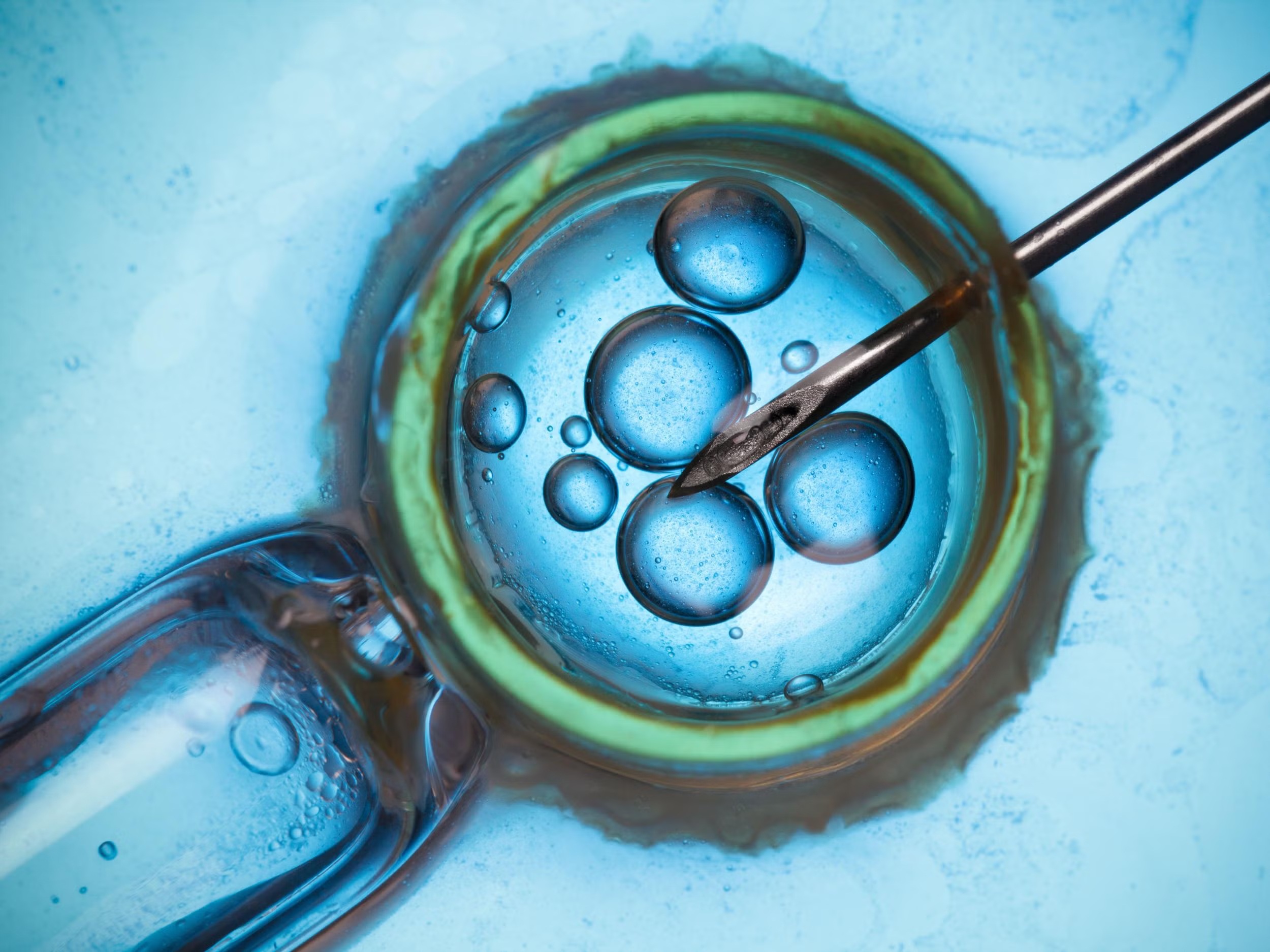
Preventing Genetic Disorders Through IVF: Understanding the Role of Embryo Screening
Genetic conditions can influence important family planning decisions. Some inherited mutations increase the risk of serious health problems. People carrying these mutations may worry about passing them on. IVF offers one possible way to address these concerns. Through embryo screening, specialists can examine embryos for specific genetic conditions. This process can help identify embryos without a particular inherited mutation. Egg freezing may also give some people more time. They can preserve their fertility before starting IVF later. However, screening has limitations and raises important ethical questions.