When couples begin IVF, much of the attention naturally falls on the woman. There are hormone injections, scans, blood tests, and egg retrieval. It is easy to assume that the male partner’s role begins and ends with providing a sperm sample. But that is not the full picture. Male fertility plays an important role in IVF success. In fact, male factors contribute to a significant number of infertility cases. The quality of sperm can influence fertilisation, embryo development, and sometimes even the overall outcome of treatment. The good news is that sperm health is not fixed. It responds to everyday lifestyle choices, and positive changes made before IVF may help improve fertility over time. Many men do not think about fertility until they are ready to start a family. By then, they are often surprised to learn that everyday habits developed over many years can affect sperm health. Unlike a sudden illness, fertility usually changes gradually. Small lifestyle choices may not seem important today. But over time, they can influence sperm count, movement, and quality. That is why fertility specialists encourage both partners to prepare for IVF together. Healthy sperm is just as important as healthy eggs. Many common habits can quietly influence male fertility without causing obvious symptoms. Some of the most common factors include: One habit alone may not cause infertility. However, several unhealthy habits together can gradually affect reproductive health. Small improvements made consistently often have a greater impact than drastic short-term changes. Most people know smoking affects fertility. Far fewer realise that heat can also play a role. The testes are located outside the body because sperm production works best at a temperature slightly lower than normal body temperature. Repeated heat exposure may interfere with this process. Some common sources include: These habits do not automatically cause infertility. But repeated exposure over months or years may reduce sperm quality in some men. Simple changes, like using a desk instead of your lap or taking regular movement breaks, may help reduce unnecessary heat exposure. Sleep is often one of the first things people sacrifice during busy periods. Unfortunately, poor sleep may affect more than energy levels. Healthy sleep supports normal hormone production, including testosterone, which plays an important role in sperm production. Late-night screen use can also interfere with the body’s natural sleep cycle. To support overall reproductive health, try to: Stress alone does not usually cause infertility. But ongoing stress, combined with poor sleep and unhealthy habits, may place additional pressure on the body. There is no special food that guarantees better fertility. However, eating well and staying active supports overall health, including reproductive health. Simple habits can go a long way. Try to: Extreme diets or excessive exercise are usually unnecessary. The goal is consistency rather than perfection. One encouraging fact about male fertility is that sperm production is continuous. The body produces new sperm approximately every 70 to 90 days. That means healthier choices made today may begin to improve sperm quality within a few months. Positive changes include: Even small improvements may support better reproductive health before IVF begins. Some couples believe that IVF can overcome every male fertility problem. While IVF has helped many families, sperm quality still matters. During IVF, especially with ICSI, embryologists carefully select a sperm cell for fertilisation. Even then, healthier sperm can contribute to better fertilisation and embryo development. Your fertility specialist may recommend additional tests if sperm quality appears to be affecting treatment. The aim is always to understand the underlying cause and choose the most appropriate approach. Preparing for IVF should never feel like one partner is carrying all the responsibility. Infertility affects both men and women, and both deserve equal attention during fertility evaluation. A simple semen analysis is often one of the first tests recommended. It is straightforward, non-invasive, and provides valuable information about sperm count, movement, and shape. Early testing can identify concerns before treatment begins. It can also help couples avoid unnecessary delays and make informed decisions about their IVF journey. Preparing for IVF is not about trying to be perfect. It is about giving your body the best possible support before treatment begins. For men, that may mean making a few simple adjustments: These changes may seem small on their own. Together, they can support healthier sperm and improve overall well-being. IVF is often viewed through the lens of female fertility, but male reproductive health is equally important. Healthy sperm plays a vital role in fertilisation, embryo development, and the overall success of treatment. The encouraging news is that sperm health can respond to positive lifestyle changes. Eating well, staying active, getting enough sleep, reducing stress, and avoiding harmful habits can all support fertility over time. If you are planning IVF, remember that preparing for parenthood is a shared journey. When both partners take steps to improve their health, they give themselves the best possible foundation as they begin treatment together.Male Fertility Matters More Than Many People Realise
Everyday Habits Can Affect Sperm Health
Heat Exposure Is Often Overlooked
Sleep and Stress Also Matter
Diet and Exercise Can Make a Difference
Sperm Health Can Improve Over Time
IVF Does Not Remove the Need for Healthy Sperm
Fertility Should Be a Shared Journey
Small Changes Today Can Support Tomorrow’s Treatment
Final Thoughts
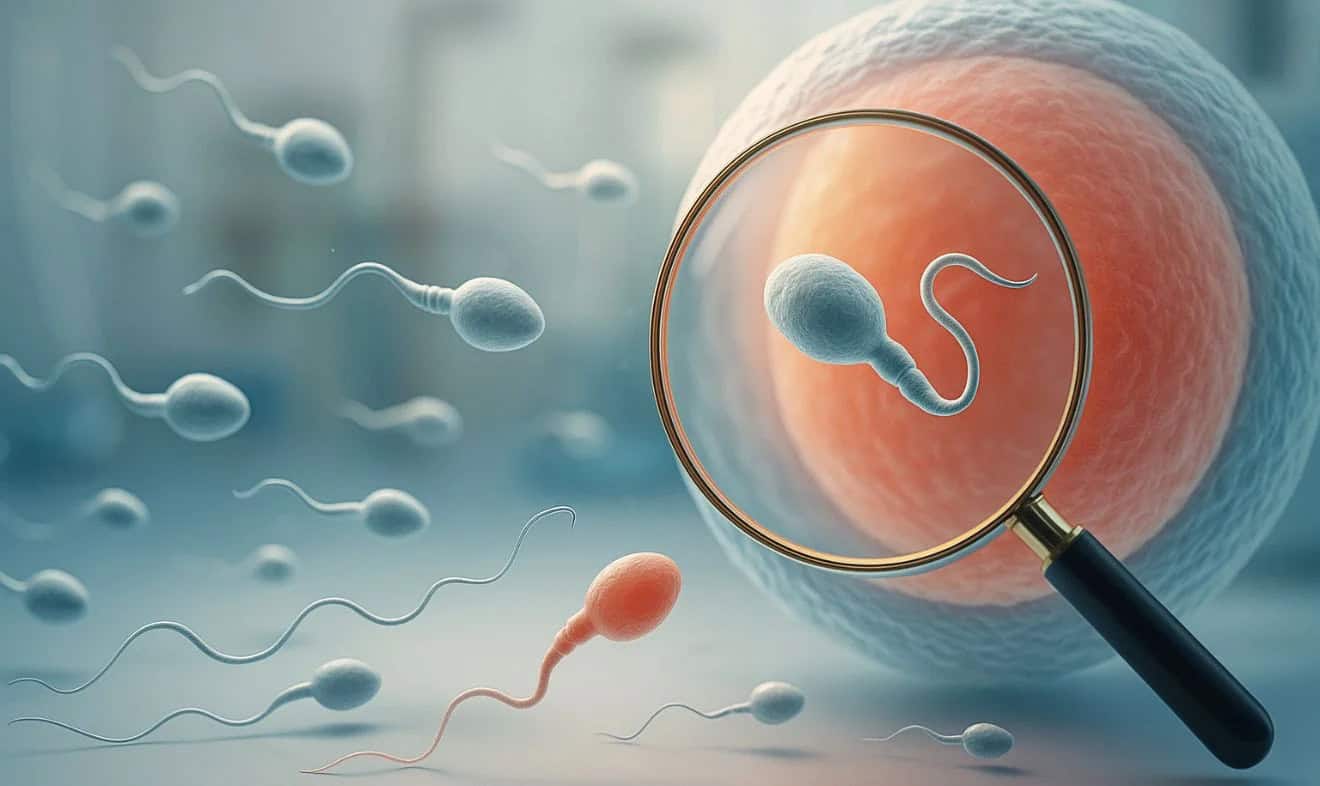
The Male Side of IVF: Lifestyle Factors That May Affect Treatment Success
When couples begin IVF, much of the attention naturally falls on the woman. There are hormone injections, scans, blood tests, and egg retrieval. It is easy to assume that the male partner’s role begins and ends with providing a sperm sample. But that is not the full picture.