IVF has changed the lives of millions of people around the world. Over the years, fertility treatment has become more precise, more personalised, and more successful than ever before. Better medications, advanced laboratories, and improved embryo freezing have all helped increase the chances of pregnancy for many couples. Now, another technology is beginning to reshape the future of IVF. Artificial Intelligence, or AI, is slowly becoming part of fertility care. It is helping specialists study information that was once impossible to see with the human eye. While AI will never replace experienced fertility specialists or embryologists, it may help them make more informed decisions during some of the most important stages of IVF. The goal is simple. To give every patient the best possible chance while making treatment more accurate and consistent. One important stage happens during ICSI (Intracytoplasmic Sperm Injection). During this procedure, a single sperm is carefully selected and injected directly into an egg. For years, embryologists have relied on their training and experience to choose the healthiest-looking sperm under a microscope. They do this remarkably well. But even the most experienced human eye has its limits. Many tiny details inside a sperm cell simply cannot be seen during routine observation. That is where AI could make a difference. Artificial intelligence can analyse thousands of tiny details within seconds. Instead of looking only at the visible shape of a sperm cell, AI systems can study patterns, movement, size, and other characteristics that are difficult for people to measure consistently. Rather than replacing embryologists, AI acts as an additional guide. It offers another layer of information before the final decision is made. This means: The final decision still belongs to the embryologist. AI simply provides more information to work with. One of the biggest challenges during IVF is that fertilisation is never guaranteed. Even after ICSI, not every egg will fertilise successfully. Every egg matters. For many couples, each egg represents months of preparation, medications, emotional investment, and hope. Researchers are now developing AI systems that analyse high-resolution sperm images in real time. Early studies suggest these platforms may predict fertilisation potential more accurately than traditional visual assessment alone. Although this research is still in its early stages and requires larger clinical studies, the results are encouraging. If specialists can identify sperm with greater accuracy, it could lead to: For patients, even a small improvement can make a meaningful difference. One of the biggest misconceptions about AI is that it will replace doctors. That is not the goal. IVF is far too complex to be managed by technology alone. Every patient has a different medical history. Every treatment plan is unique. Every embryo develops differently. AI cannot understand emotions, answer difficult questions, or support patients through setbacks. Those are things only experienced fertility teams can do. Instead, AI is becoming another tool that helps specialists make well-informed decisions based on large amounts of information. Think of it as an assistant rather than a replacement. The human expertise remains at the centre of every IVF journey. The potential benefits of AI may extend far beyond sperm selection. Researchers are studying how AI could support several parts of IVF, including: These technologies are still developing. Some are already being used in selected fertility centres, while others remain under clinical evaluation. As research continues, AI may become an even more valuable part of fertility care. For someone going through IVF, every cycle carries emotional and financial weight. Many couples hope they will not need repeated treatments. If AI helps improve even one stage of the IVF process, the benefits could be significant. It may help reduce: While AI cannot guarantee pregnancy, improving the efficiency of IVF could help more families reach their goal sooner. The most exciting part of AI may still lie ahead. Every IVF cycle generates valuable information. Images of sperm cells, embryo development, treatment response, and pregnancy outcomes all provide data that researchers can learn from. Over time, AI systems may be able to connect these pieces together. This could help answer important questions like: As larger studies are completed, these tools may continue to improve and become more reliable. The future of IVF may depend not only on new laboratory equipment but also on using existing information more intelligently. IVF is built on science. But it is also built on hope. Patients remember the kindness of a nurse who reassured them before egg retrieval. They remember the doctor who explained every step without rushing. They remember the embryologist who treated every embryo with care. No technology can replace those moments. AI may improve decision-making, but compassion, communication, and experience will always remain at the heart of fertility treatment. The best IVF care will continue to combine advanced technology with human understanding. Artificial intelligence is opening an exciting new chapter in IVF. From smarter sperm selection to improved embryo assessment, AI has the potential to make fertility treatment more accurate, more consistent, and more personalised. While these technologies are still evolving, early research offers real promise. They are designed to support fertility specialists, not replace them, helping every important decision become more informed. As IVF continues to evolve, one thing remains unchanged. Behind every treatment cycle is a person or couple hoping to build a family. Technology may shape the future of fertility care, but empathy, expertise, and personalised support will always be the foundation of a successful IVF journey. Reference: https://www.jpost.com/health-and-wellness/pregnancy-and-birth/article-904430 Why Every Step in IVF Matters
AI Is Helping Specialists See More
Smarter Sperm Selection Could Improve IVF
AI Is Not Replacing Fertility Specialists
AI Could Improve More Than Fertilisation
What This Could Mean for Patients
The Future of AI in Fertility Care
Technology Will Never Replace Compassion
Final Thoughts
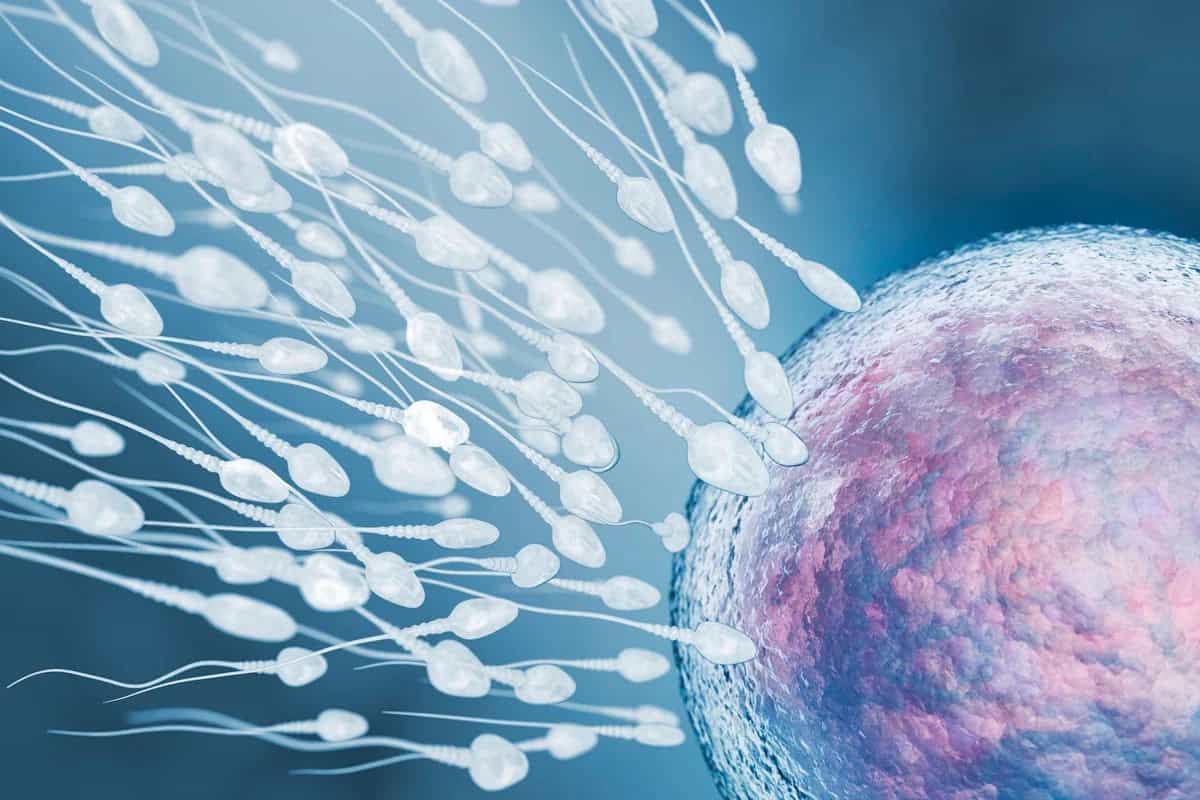
Beyond the Microscope: How AI Is Shaping the Future of IVF
IVF has changed the lives of millions of people around the world. Over the years, fertility treatment has become more precise, more personalised, and more successful than ever before. Better medications, advanced laboratories, and improved embryo freezing have all helped increase the chances of pregnancy for many couples.