For millions of people around the world, IVF has turned the dream of becoming a parent into reality. Today, fertility treatment is widely available and continues to help individuals and couples facing different fertility challenges. But it has not always been this way. Nearly five decades ago, IVF was a completely new idea. It was met with curiosity, hope, and even skepticism. Since then, science has transformed fertility care, making treatment safer, more effective, and more personalised than ever before. Every year on July 25, World IVF Day reminds us how far fertility medicine has come. It also celebrates the doctors, embryologists, nurses, counsellors, and laboratory teams who continue to help families grow every day. The history of IVF began with a remarkable medical milestone. On July 25, 1978, Louise Brown became the world’s first baby born through In Vitro Fertilisation. Her birth changed reproductive medicine forever. After years of research, scientists successfully fertilised an egg outside the body and transferred the embryo into the uterus, leading to a healthy pregnancy. At the time, the treatment was considered revolutionary. Today, millions of babies have been born through IVF, making it one of the greatest advances in modern medicine. IVF, or In Vitro Fertilisation, is a type of Assisted Reproductive Technology (ART). During IVF, eggs are collected from the ovaries and fertilised with sperm in a specialised laboratory. Once healthy embryos develop, one embryo is transferred into the uterus in the hope of achieving pregnancy. IVF may be recommended for several reasons, including: Every treatment plan is different because every fertility journey is unique. Although the basic principles of IVF remain the same, almost every part of the treatment has improved. Doctors now have better medications, safer procedures, and more advanced laboratory techniques. Patients also receive more personalised care than ever before. Instead of using the same treatment plan for everyone, fertility specialists now consider factors such as age, hormone levels, medical history, egg reserve, sperm quality, and previous treatment outcomes. This allows treatment to be tailored to each patient’s individual needs. Modern IVF follows several carefully planned steps. These usually include: Each stage plays an important role in the treatment process. Your fertility specialist monitors your progress closely and adjusts the plan whenever necessary. One of the biggest reasons IVF has continued to evolve is ongoing medical research. Several important advances have improved the way fertility treatment is delivered. Modern freezing techniques allow eggs and embryos to be preserved with much higher success than in the past. This gives patients more flexibility and supports fertility preservation for future family planning. Doctors can now customise fertility medications based on your hormone levels, age, ovarian reserve, and previous treatment response. This personalised approach helps improve safety while supporting the development of healthy eggs. For selected patients, embryos can be tested for certain genetic conditions before transfer. This may be recommended when there is a known inherited disorder or specific medical indication. Your fertility specialist will explain whether genetic testing is appropriate for your situation. Artificial intelligence is becoming an exciting area of fertility research. Some fertility laboratories now use AI-assisted tools to help embryologists evaluate embryo development. These systems are designed to support decision-making rather than replace experienced medical professionals. Research is still ongoing, but AI may continue to improve laboratory efficiency in the future. Scientists are also developing newer ways to identify healthy sperm before fertilisation. Advanced sperm selection methods may improve treatment in selected cases of male infertility, although more research is still being carried out. No two people experience infertility in the same way. That is why personalised fertility care has become one of the biggest changes in modern IVF. Your doctor may consider: Every decision is made to give you the most suitable treatment for your individual situation. Personalised care also helps patients better understand their chances of success and what to expect throughout treatment. When people hear the word IVF, they often think about injections, scans, and laboratory procedures. But there is another side to the journey. These experiences are part of many IVF journeys. That is why emotional support has become an important part of modern fertility care. Many fertility clinics now offer counselling, patient education, and ongoing support throughout treatment. Feeling heard and supported can make a significant difference during what is often an emotional experience. World IVF Day is about much more than celebrating scientific progress. It also helps people understand that infertility is a common medical condition. According to global estimates, millions of people experience fertility challenges during their lifetime. Yet many still hesitate to seek help because of stigma or misinformation. World IVF Day encourages open conversations about fertility. It reminds people that asking for help is nothing to be ashamed of. It also highlights the importance of early evaluation, accurate information, and evidence-based fertility care. Research in fertility medicine continues every year. Scientists are exploring new technologies that could improve IVF even further. Areas receiving significant attention include: Many of these innovations are still being studied, but they reflect how quickly fertility medicine continues to advance. The future of IVF is likely to become even more personalised, helping doctors make treatment decisions with greater precision while continuing to prioritise patient safety. The history of IVF is a story of hope, determination, and continuous innovation. From the birth of the world’s first IVF baby in 1978 to today’s advanced fertility treatments, IVF has transformed millions of lives and continues to evolve with every new discovery. As science moves forward, the future of fertility care looks increasingly promising. Advances in laboratory techniques, personalised treatment, fertility preservation, and reproductive research are opening new possibilities for individuals and couples who dream of becoming parents. Reference: https://progenesisivf.com/blog/world-ivf-day-2026/ The Beginning of IVF
What Is IVF?
How IVF Has Changed Over the Years
The IVF Process Today
Advances That Have Changed Fertility Care
Better Embryo Freezing
Personalised Ovarian Stimulation
Genetic Testing
Artificial Intelligence in IVF
Improved Sperm Selection
Why IVF Is More Personalised Than Ever
IVF Is About More Than Medicine
World IVF Day Raises Awareness
Looking Ahead to the Future
Final Thoughts
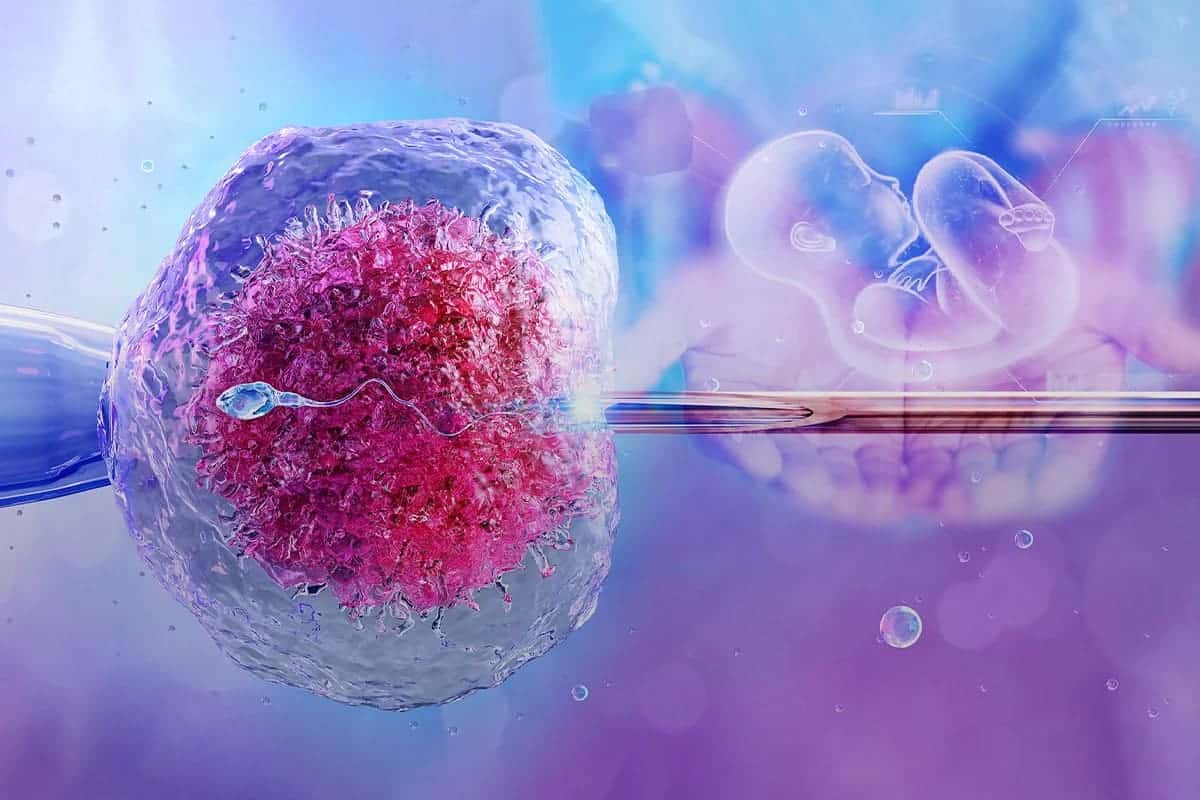
The History and Future of IVF: Why Fertility Care Continues to Evolve
For millions of people around the world, IVF has turned the dream of becoming a parent into reality. Today, fertility treatment is widely available and continues to help individuals and couples facing different fertility challenges. But it has not always been this way.